Jeongbang Waterfall Summer Cascade, Asia's Only Ocean-Facing Waterfall Five Minutes Below a Pine Staircase
Standing Under the 23-Meter Basalt Cliff Where Water Drops Directly Into the Sea on the Seogwipo South Coast
Jeongbang Waterfall, at 156-8 Chilsimni-ro in Seogwipo, is a 23-meter (75-foot) coastal waterfall that drops directly from land into the sea, unique in Korea and rare across Asia. Width is 10 meters (33 feet). Designated Korean Scenic Site No. 43 on August 8, 2008, it has been counted since the Joseon dynasty as one of the Yeongju Sipigyeong (Twelve Scenic Views of Jeju). The ticket booth is open 09:00 to 17:20 and admission is KRW 2,000 for adults (about USD 1.50) and KRW 1,000 for military and children. Five minutes down a shaded pine staircase lands on a pebble beach, and combined with nearby Sojeongbang Waterfall, Lee Jung-seob Street, and Seogwipo Maeil Olle Market, the site forms a half-day south-coast circuit. From Galchibada in Aewol the drive runs about 70 minutes.
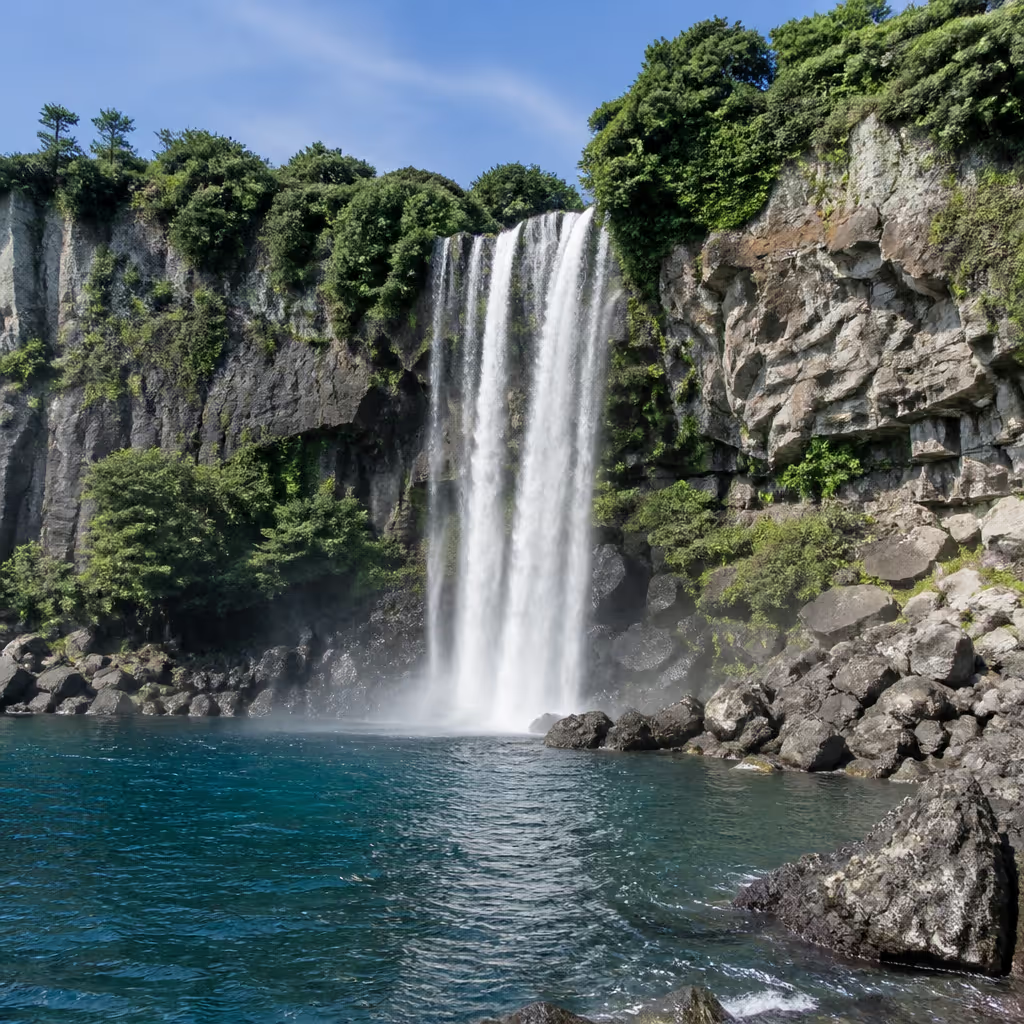
On Seogwipo's south coast stands the only waterfall in Asia that drops directly from land into the sea. Jeongbang, 23 meters (75 feet) tall and 10 meters (33 feet) wide, is unique in Korea and rare across the whole region because the runoff from Hallasan's southern slope arrives at the cliff edge here without first meandering into a river and then over a bluff. Instead the water skips the intermediate stage and falls straight into the Pacific, and a dark basalt pebble beach at the base holds the point where cascade mist and salt breeze meet. Five minutes down a shaded pine staircase from the ticket booth lands you on that beach, and from Galchibada in Aewol the drive runs about 70 minutes.
For visitors who have stood at McWay Falls in Big Sur or Wailua Falls on Kauai, the register here reads familiar in silhouette but distinct in access, because Jeongbang lets you walk right up to the base rather than admiring from a road pullout. This is the closest an ordinary traveller ever gets to standing at the exact seam where a Korean waterfall meets the sea, and the sensory density of that seam is what makes the site worth the south-coast detour.
Asia's Only Ocean-Facing Waterfall, Geology and Recognition
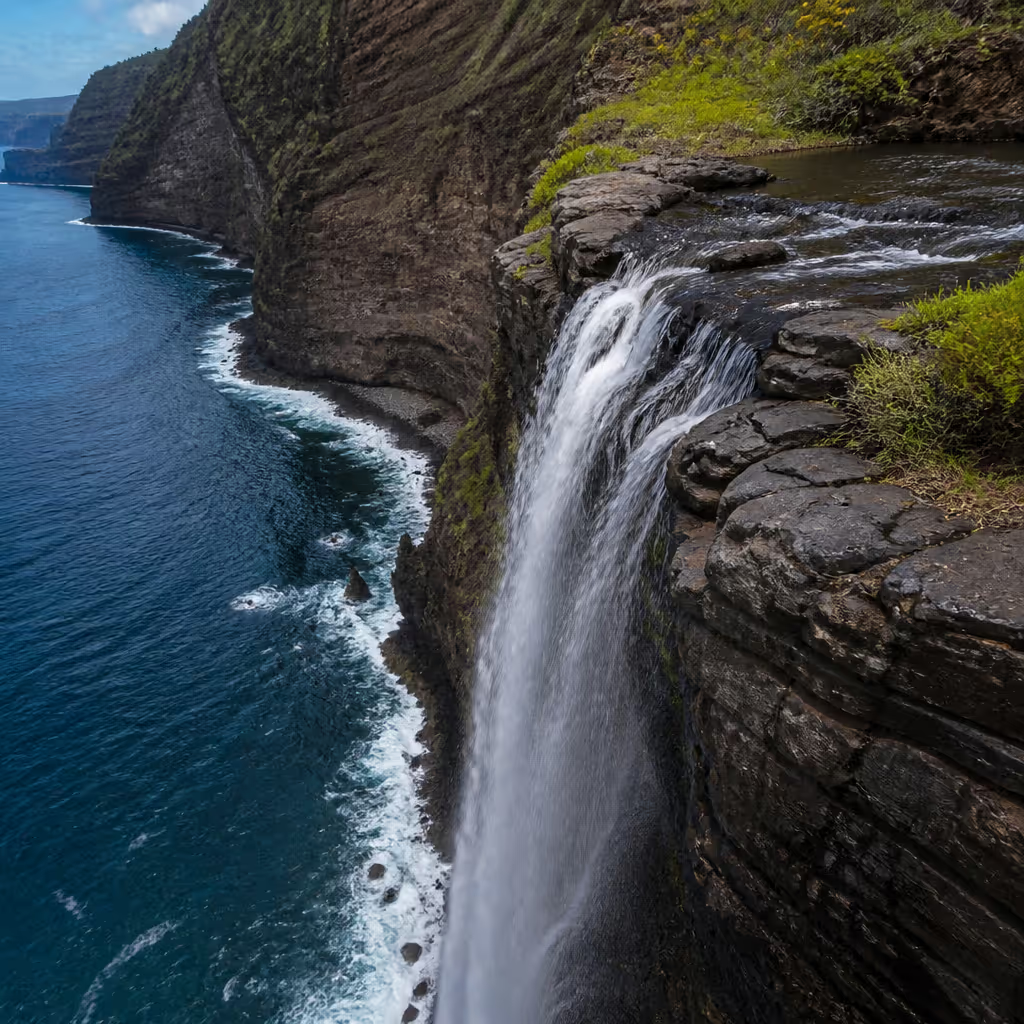
Jeongbang qualifies as Asia's only ocean-facing waterfall because the flow does not pass through a river system before dropping. Most waterfalls form as a river descends from upstream to downstream through a change in elevation, but Jeongbang is fed by surface runoff from Hallasan's southern slope that reaches the coastal cliff along a short channel and drops directly into the sea. The unusually short distance between the cliff line and the coast on Seogwipo's south shore, combined with local basalt geology, produces the condition. The cliff itself is layered trachytic basalt over the Seogwipo Formation, roughly 250,000 years old, giving the site both scenic and academic weight.
Korea designated Jeongbang as Scenic Site No. 43 on August 8, 2008. Historical records from the Joseon dynasty already count it among the Yeongju Sipigyeong, the twelve classic scenic views of Jeju, and the designation reflects both the specific geological uniqueness of the cascade and the surrounding coastal landscape including Sojeongbang Waterfall, Lee Jung-seob Street, and Seogwipo Harbor. The designation documentation is available on the Korea National Heritage Portal page for Jeongbang Waterfall.
Down the Pine Staircase in Five Minutes
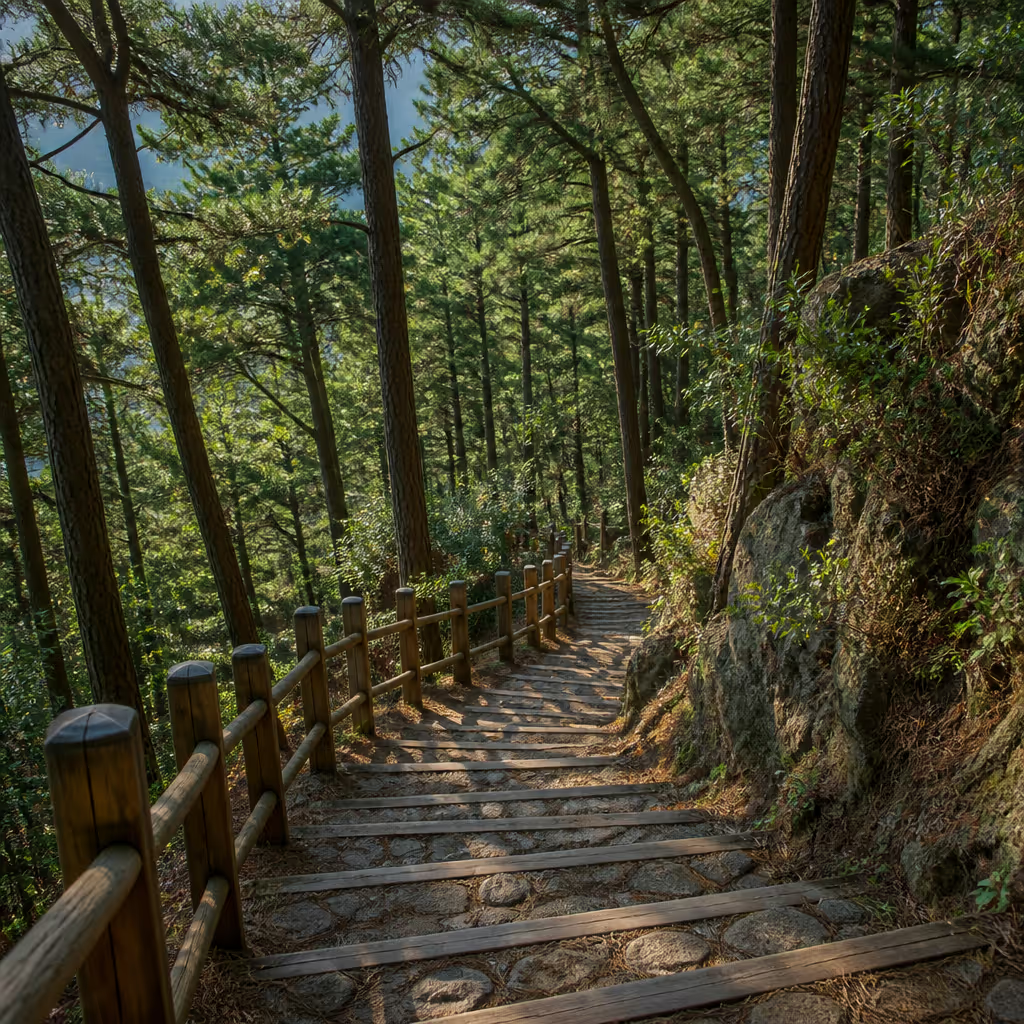
The ticket booth sits about 40 meters above the waterfall, and reaching the base requires a five-minute descent down a pine-shaded staircase. Total step count is 105, and two low wooden benches along the way allow a brief pause. Pine shadows filter the summer afternoon sun into the descent, and partway down the low sound of the cascade begins to layer with the surf, so the site opens acoustically before it opens visually.
At the bottom, a narrow pebble beach roughly 15 meters wide stretches under the cliff, and visitors can walk to within 15 meters of the falling water. A three-meter safety margin in front of the drop is off-limits, marked by low wooden barrier lines to either side. Standing inside the marked area in summer, mist from the cascade meets the sea breeze and forms a fine haze, so five minutes at the base in a short-sleeve shirt leaves droplets faintly on skin and fabric.
The Pebble Beach at the Base
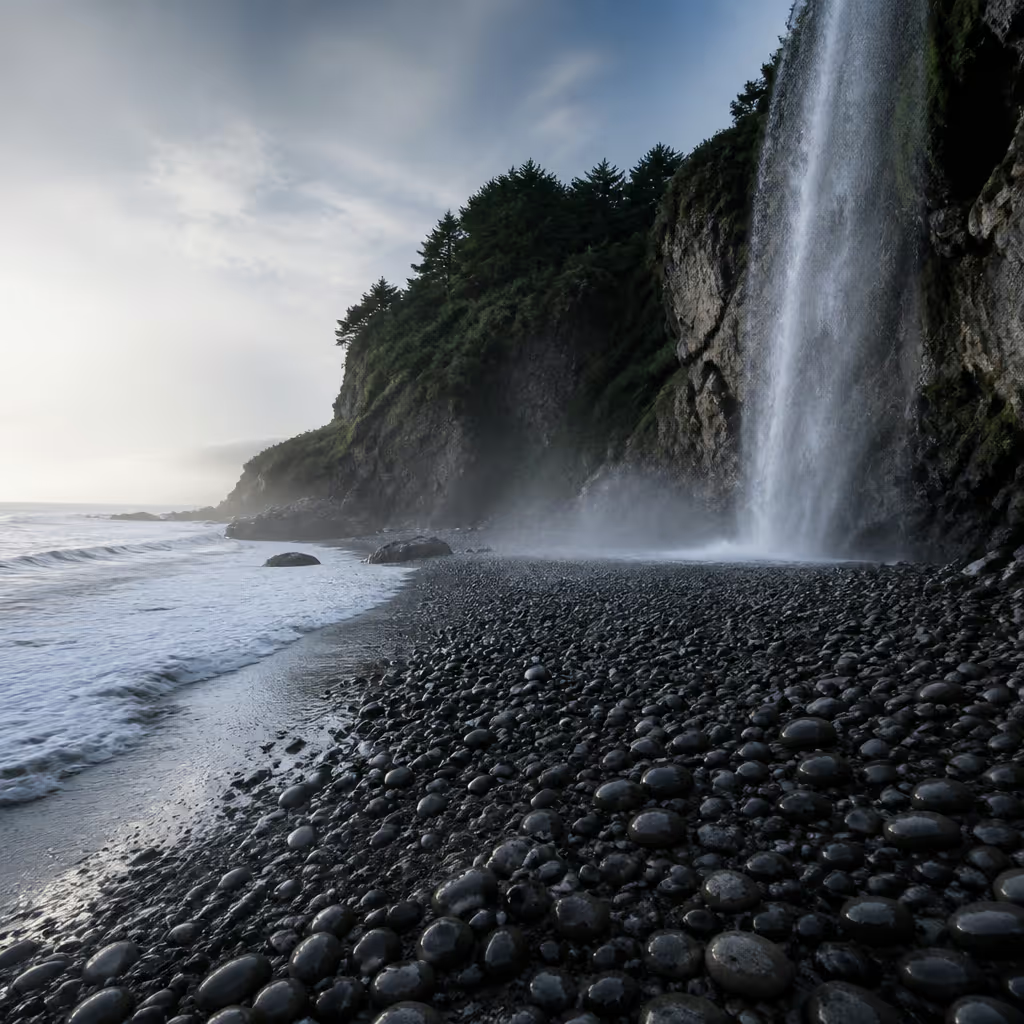
The pebble beach at the base is composed of basalt fragments that broke off the cliff under the force of the cascade and were smoothed by generations of surf. Each pebble is roughly half a palm across, mostly black and dark grey, and as waves wash over them they clatter softly against one another, an audio signature unique to this site. The peak of the summer cascade after the monsoon runs through August, when the mist rises most strongly and a fine coastal fog often hovers over the pebble strip.
About 200 meters west of the main cascade lies Sojeongbang Waterfall, a smaller companion drop of roughly 5 meters. Sojeongbang allows visitors to walk right up to the base, so in summer it doubles as a light water-play spot. Combining Jeongbang and Sojeongbang takes about 40 minutes, and the low coastal path between them holds one of the more concentrated stretches of Seogwipo south-coast summer atmosphere anywhere on the island.
Fees, Hours, and Nearby Combinations
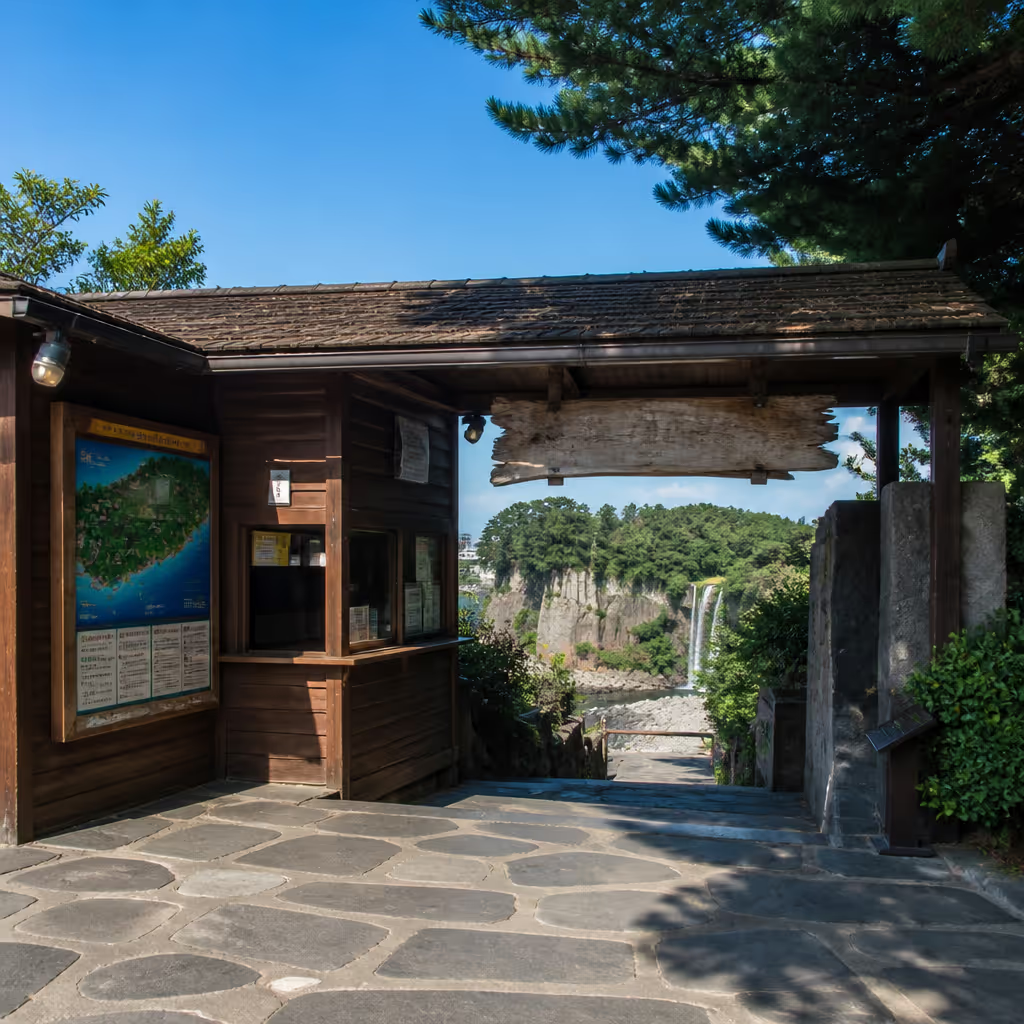
Admission is KRW 2,000 for adults (about USD 1.50) and KRW 1,000 for military and children, with free entry for children aged 6 and under. Pets are not permitted due to safety concerns at the base. Hours are 09:00 to 17:20 with ticketing closing at 17:00, so afternoon planning in summer must respect that cutoff. Free parking sits in front of the booth with capacity for about 40 vehicles, and during summer peak weekends 2:00 to 4:00 p.m. often produces a queue for spaces.
Beyond the waterfall, a 15-minute walk reaches Lee Jung-seob Street and the Lee Jung-seob Art Museum, and 20 minutes on foot reaches Seogwipo Maeil Olle Market, where black pork, octopus, and citrus arrive in a distinctly Seogwipo south-coast register. Combining waterfall, art street, and market as a half-day loop runs about three and a half hours total, and this combination captures the summer afternoon atmosphere of the south coast at its most concentrated.
Seogwipo to Aewol, A 70-Minute Evening Drive
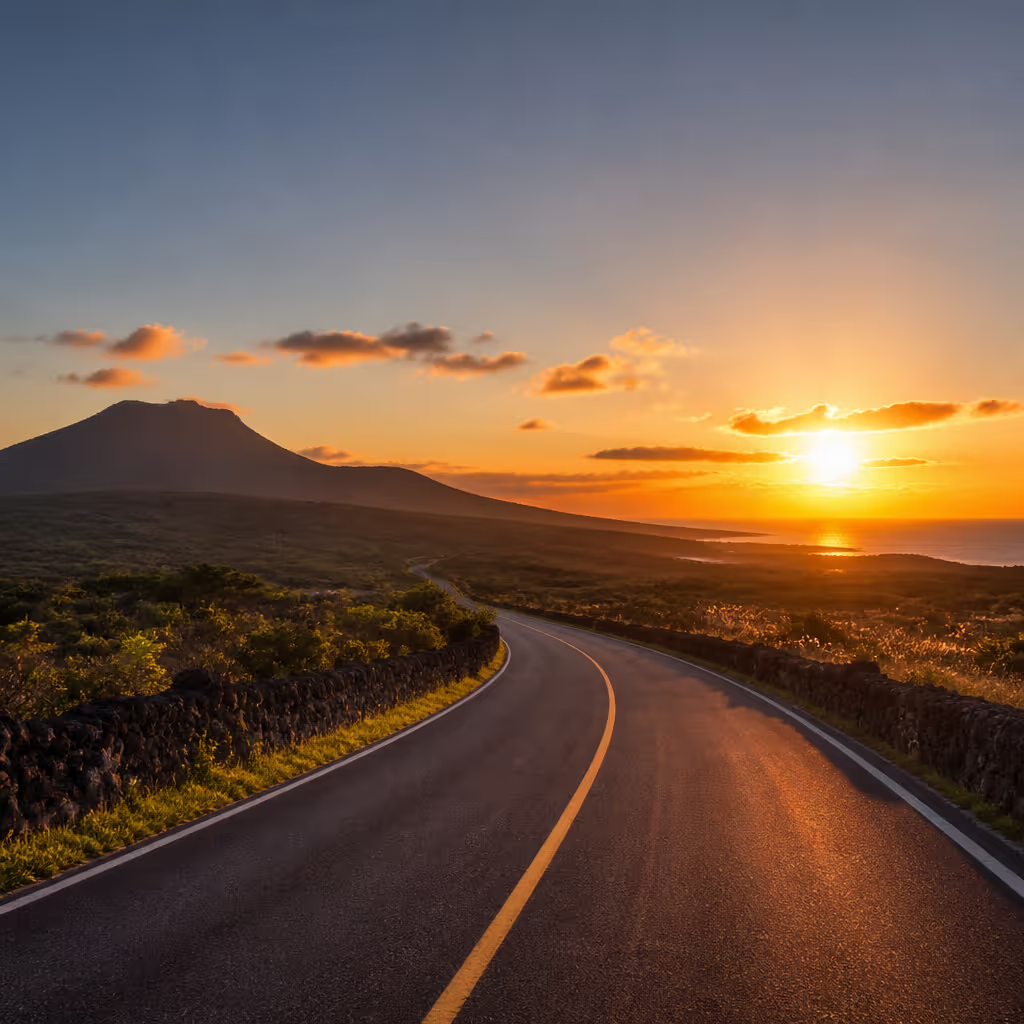
Departing the Jeongbang ticket booth around 4:00 p.m., the drive to Galchibada in Aewol runs about 70 minutes via Pyeonghwa-ro, landing in Aewol around 5:10 p.m. This lands squarely in the window when the western sky begins to warm toward sunset, and a floor-to-ceiling window seat catches the first minutes of evening light while the residual mist from the cascade still lingers on fabric. The south-coast salt breeze from the pebble beach and the western sunset over the Aewol sea meet inside a single afternoon as two coastal registers.
The reverse direction also works. Finishing an early lunch in Aewol and departing around 1:00 p.m. puts you at Jeongbang around 2:20 p.m., which sidesteps the peak parking congestion between 2:00 and 4:00 p.m. Either way, the direct-to-sea cascade on the south coast and the ocean view on the western coast join inside one day, and the dense summer register of Seogwipo's south shore anchors the itinerary with real geological weight.
Frequently Asked Questions
- Why is Jeongbang called the only ocean-facing waterfall in Asia?
- Because the water falls directly from land into the sea without passing through a river system first. Most waterfalls form when a river descends downstream, but Jeongbang collects surface runoff from Hallasan's southern slope along a short channel and drops it straight over the coastal cliff into the sea. It is unique in Korea and rare across the whole region.
- How big is the waterfall and what is its official recognition?
- The cascade is 23 meters (75 feet) tall and 10 meters (33 feet) wide. Korea designated it as Scenic Site No. 43 on August 8, 2008, and it has been counted since the Joseon dynasty among the Yeongju Sipigyeong, the twelve classic scenic views of Jeju. The cliff is layered trachytic basalt over the Seogwipo Formation, roughly 250,000 years old.
- What are the admission fees, hours, and parking?
- Admission is KRW 2,000 for adults (about USD 1.50), KRW 1,000 for military and children, free for children 6 and under. Hours are 09:00 to 17:20 with ticketing closing at 17:00. Free parking sits at the booth for about 40 vehicles, with weekend queues between 2:00 and 4:00 p.m. in high summer.
- How long does the descent take and what should I know about safety?
- Five minutes down a shaded pine staircase of 105 steps to the pebble beach at the base. A three-meter safety margin in front of the falling water is off-limits, marked by low wooden barrier lines to either side. Short sleeves work fine, but summer mist from the cascade often leaves clothing lightly damp.
- How long is the drive from Jeongbang to Galchibada in Aewol?
- About 70 minutes via Pyeonghwa-ro. Departing the ticket booth around 4:00 p.m. lands you in Aewol around 5:10 p.m., which pairs cleanly with an early sunset dinner at a floor-to-ceiling window on the western coast.
From a coastal waterfall on the south coast to an evening table on the western sea
After five minutes below Asia's only ocean-facing waterfall, a hairtail dinner over the Aewol sea
Carry the mist from a 23-meter drop and the salt breeze off the pebble beach westward for 70 minutes on Pyeonghwa-ro. A 4:00 p.m. descent lands at a floor-to-ceiling window in Aewol by 5:10, and the south-coast cascade and the western sunset meet inside a single afternoon as two coastal registers on the same island.
About 70 minutes from Jeongbang to Galchibada in Aewol →