Manjanggul Lava Tube Summer Exploration, A UNESCO Underground Walk at a Steady 15 Degrees Below
One Kilometer of Basalt Corridor Where 33-Degree Surface Heat Meets a Year-Round Cave Climate
Manjanggul Lava Tube, at 182 Manjanggul-gil in Gujwa-eup, is a core component of the UNESCO World Heritage listing Jeju Volcanic Island and Lava Tubes. Its full length is 7.4 kilometers (4.6 miles), with the 1-kilometer round-trip from Entrance 2 to the world's tallest lava column (7.6 m / 25 ft) open to visitors. Interior temperature holds 15 to 16 degrees Celsius (59 to 61 Fahrenheit) and humidity 87 to 100 percent year-round, so a long-sleeve layer is essential even during a 33-degree summer surface. Admission is KRW 4,000 for adults (about USD 3) and KRW 2,000 for teens and children, with hours 09:00 to 18:00 and the first Wednesday of each month closed. Galchibada in Aewol sits about 55 minutes west by car.
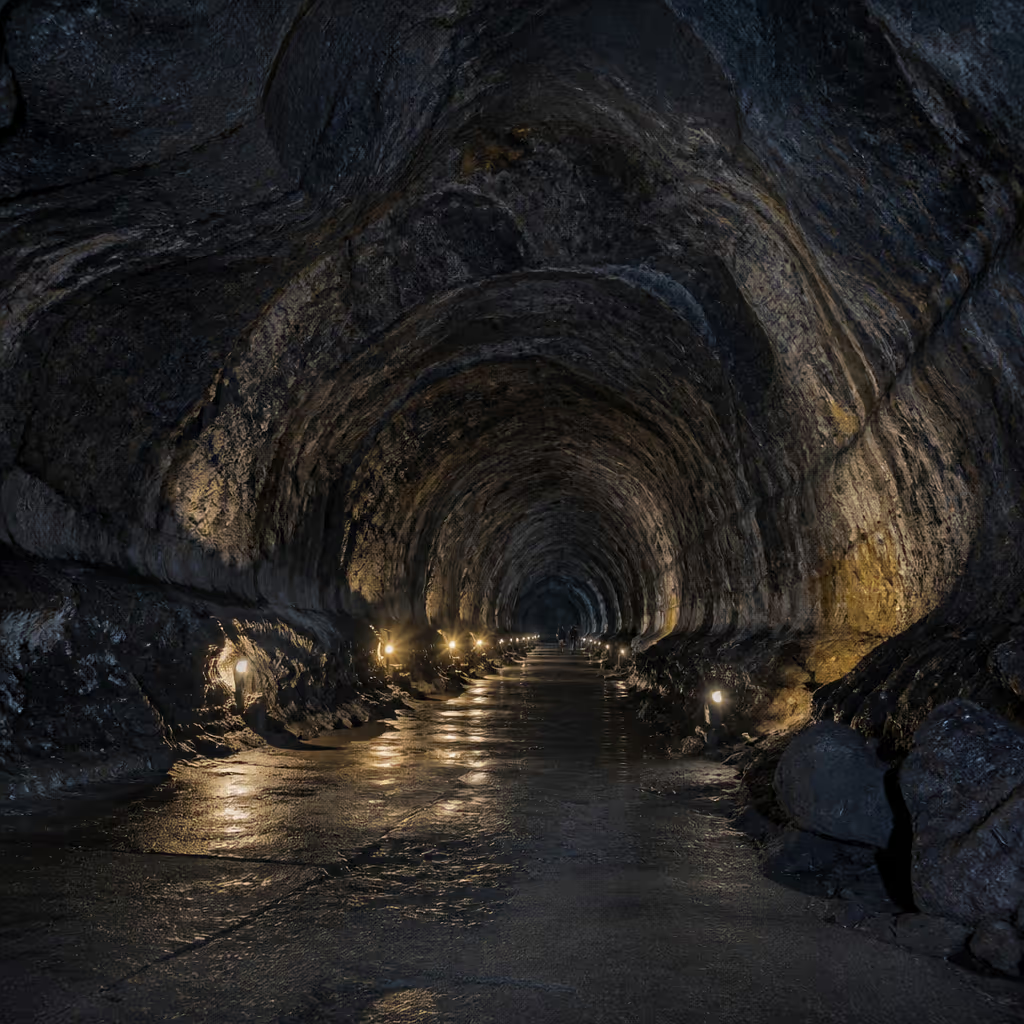
Manjanggul in the height of Jeju summer is the moment the surface-to-underground temperature gap opens widest. Outside sits at 33 degrees Celsius (91 Fahrenheit) on a July afternoon, but the instant you step through Entrance 2 the air drops to a steady 15 degrees, and inside a UNESCO-listed lava tube a one-kilometer walk to a 7.6-meter basalt column feels like moving through a different climate zone entirely. The basalt ceiling rises and falls between 5 and 30 metres in sudden shifts, the pace slows on its own, and at the end of the corridor the world's tallest lava column stands illuminated at the turnaround point. For visitors who have walked Ape Cave on Mount St. Helens or Thurston Lava Tube on the Big Island of Hawaii, Manjanggul reads at the scale of both put together, with the added distinction of being a single continuous UNESCO-listed system rather than a fragment.
From Galchibada in Aewol the drive runs about 55 minutes, and returning west with cool cave air still in memory sets up an early evening at a floor-to-ceiling window on the coast almost by design. This is one of the few Jeju attractions where the visit itself works better in summer than in any other season, precisely because the climate contrast between surface and underground is at its most dramatic.
A UNESCO Lava Tube, One Kilometer Open Out of 7.4
The full length of Manjanggul is 7.4 kilometers (4.6 miles), placing it among the largest single lava tubes anywhere in the world. In 2007 UNESCO inscribed the surrounding system as Jeju Volcanic Island and Lava Tubes, listing Manjanggul as one of three central assets alongside Yongcheon and Dangcheomul Caves. The visitor route runs from Entrance 2 to the lava column, one kilometer round trip, or roughly one seventh of the full length. The remaining 6.9 kilometers are designated as a scientific research zone and closed to general access, which is why so few images of the deep tube exist in circulation.
Low-set lighting picks out the basalt walkway underfoot, and the ceiling height fluctuates between 5 metres and nearly 30 metres in sections. UNESCO's listing rationale is available on the World Heritage Centre page for Jeju Volcanic Island and Lava Tubes, with visit-specific information on the Visit Jeju Manjanggul page. The tunnel walls carry horizontal flow lines left by molten lava as it moved through, and the floor shows lava stalagmites and rafted debris at intervals, each element mapping a different chapter of the tube's formation history.
The 15 Versus 33 Degree Gap, Summer Clothing Notes
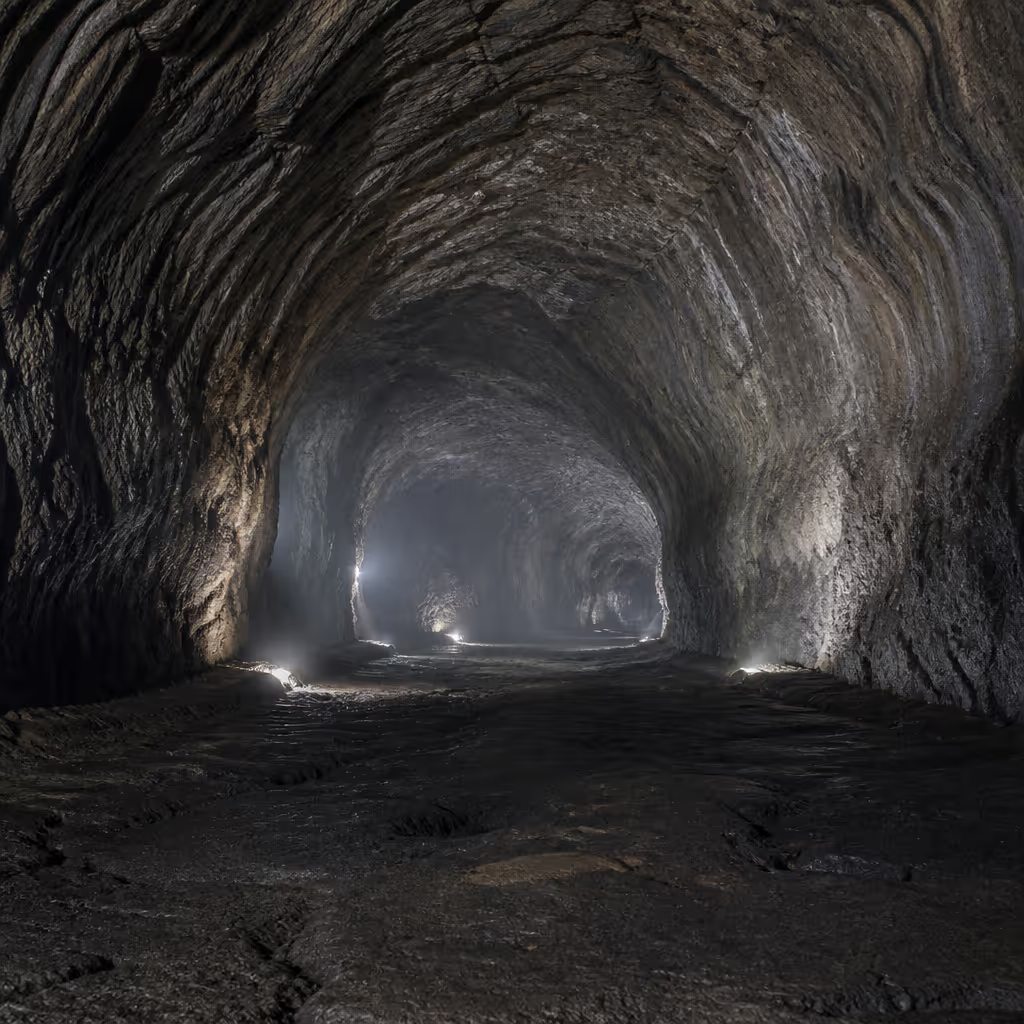
Interior temperature holds at 15 to 16 degrees Celsius (59 to 61 Fahrenheit) year-round, with humidity between 87 and 100 percent. On a July afternoon when the surface pushes past 33 degrees Celsius (91 Fahrenheit), the underground still holds cool enough that entering in short sleeves brings the first goosebumps within five minutes. A thin long-sleeve or light cardigan makes the full 60-minute round trip comfortable, and for children a light zip-up hoodie helps against the cool draft on the back of the neck.
Underfoot the basalt is exposed and generally not slippery, but summer humidity means droplets fall from the ceiling in places and the walkway is damp in specific sections. Grip-soled walking shoes are the safer choice, and tripods and bulky camera rigs are restricted since the corridor narrows in places and blocks other visitors. Cave lighting is deliberately minimal to preserve the natural basalt texture, so eyes need three to five minutes to adjust after descending.
The World's Tallest Lava Column at 500 Meters In
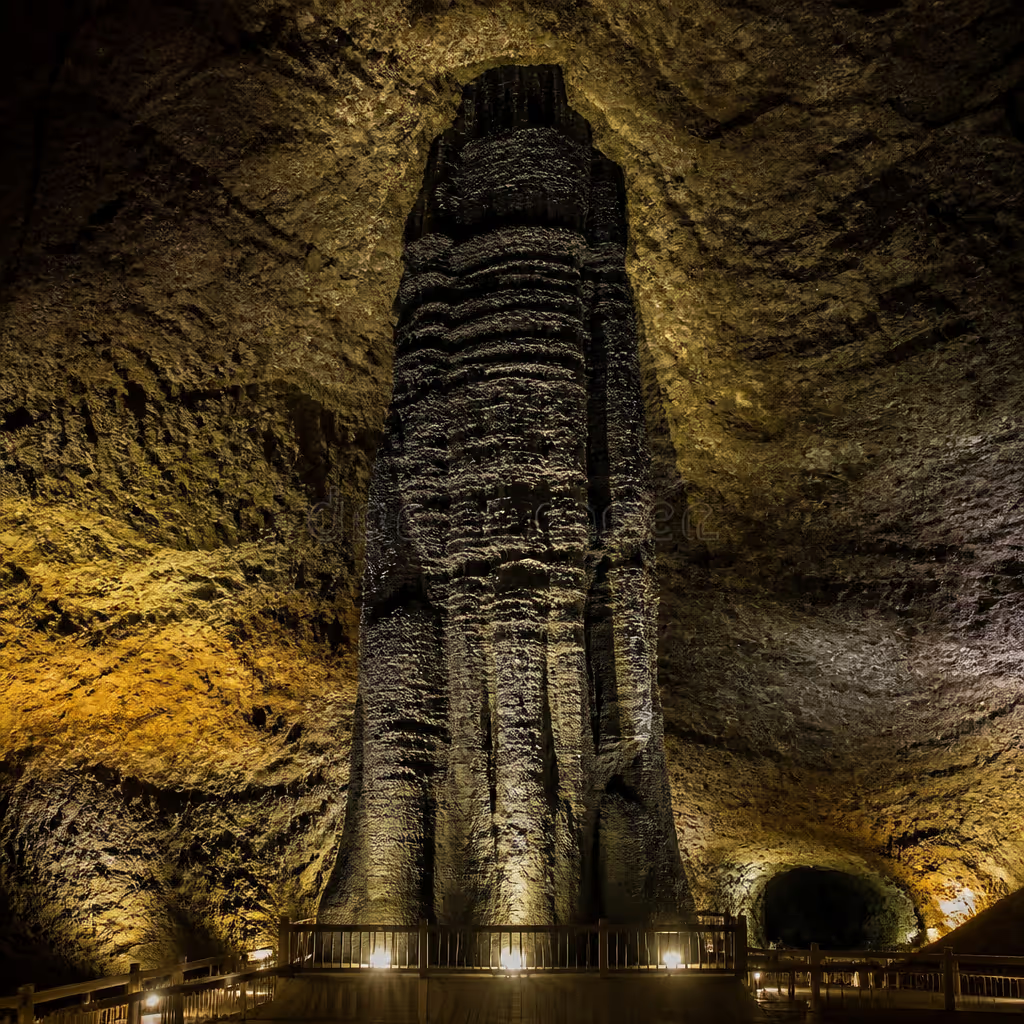
At the 500-meter mark, the walkway ends in front of a 7.6-meter (25-foot) basalt column, the tallest known lava column in any cave system worldwide. Circumference is roughly 8 meters, and the pillar formed when molten lava from an upper corridor collapsed into a lower channel and solidified in place, a formation sequence rare enough to have significant academic value. A low wooden viewing deck sits in front, with uplighting from the base picking out the layered texture of the basalt surface.
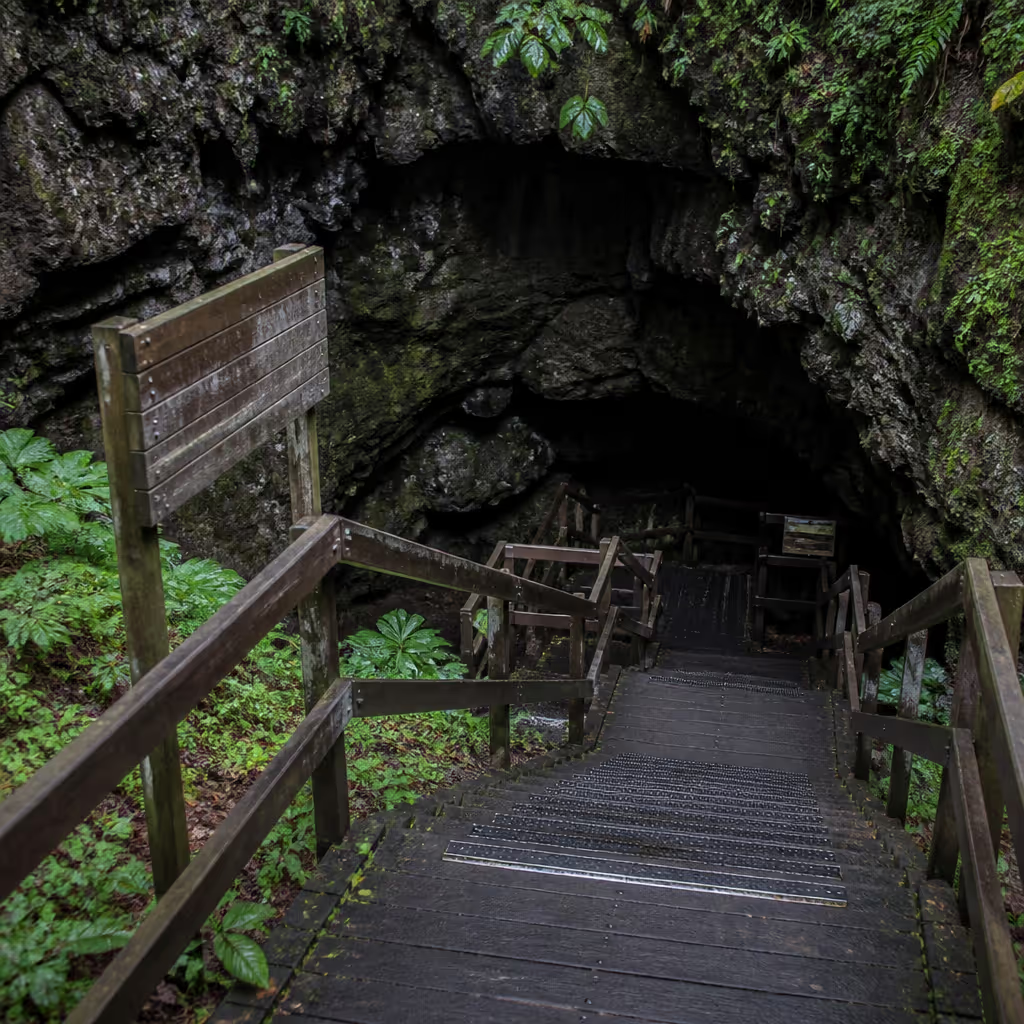
The column marks the turnaround, and from here visitors retrace 500 meters back to Entrance 2. Total round-trip time is 50 to 70 minutes depending on pace, with most people finishing around the 60-minute mark. Emerging from the cave, the shift from 15 degrees to 33 degrees can produce a brief moment of dizziness, so pausing five minutes in the shade above the stairs to let the body rebalance is a sensible habit before moving on.
Tickets, Hours, and Parking
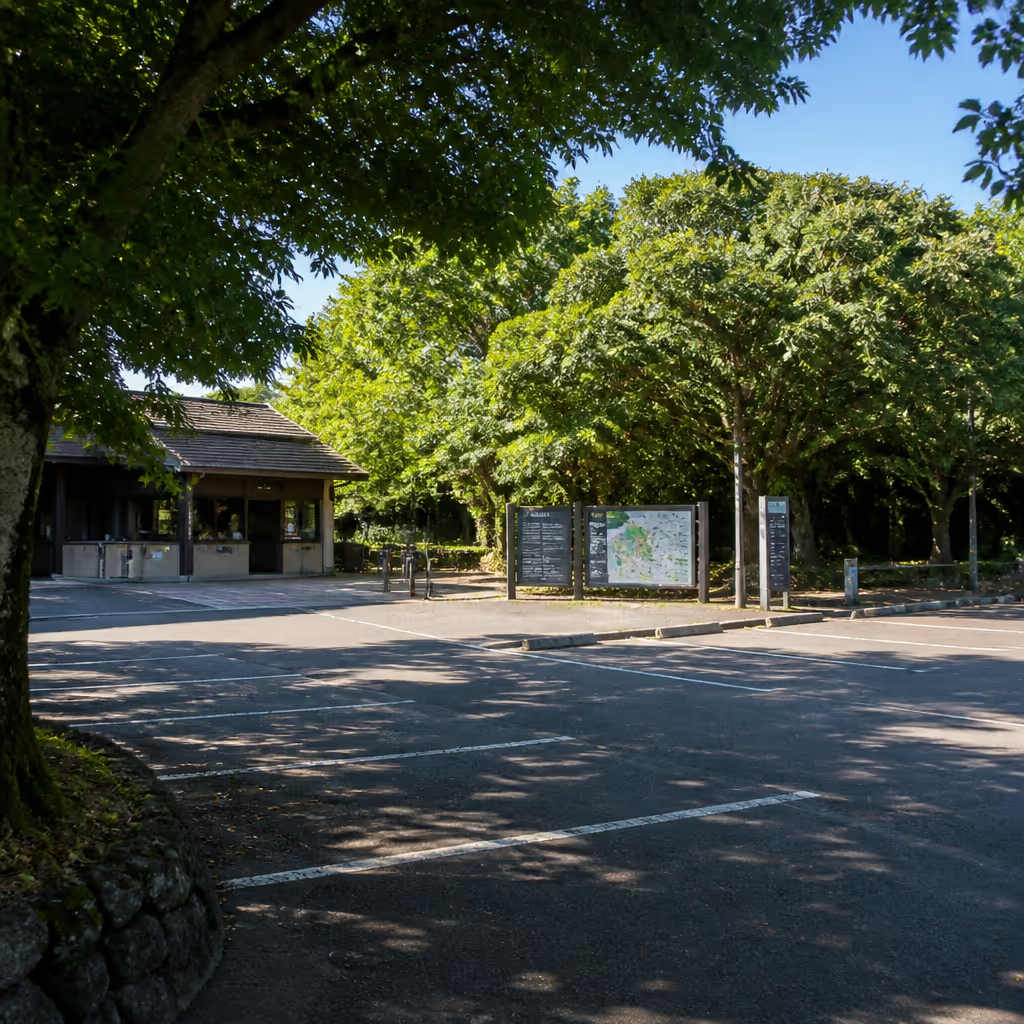
Admission is KRW 4,000 for adults (about USD 3.00) and KRW 2,000 for teens and children, with free entry for children aged 6 and under and seniors aged 65 and above. Hours are 09:00 to 18:00 and ticketing closes at 17:10. The first Wednesday of each month is a regular closure, so checking the day of the week before making the drive is important. Free interpretive tours led by a cultural docent run 09:00 to 17:00, with same-day registration at the booth near the ticket office.
Free parking sits at the ranger station and comfortably accommodates cars and mini-buses. During summer peak season, wait times build after 10:00 a.m., so entering at 9:00 a.m. opening or after 3:00 p.m. avoids the crowd. Entering at 4:00 p.m. in high summer means finishing the 60-minute underground walk around 5:00 p.m., which fits neatly between a late lunch and an early dinner.
Manjanggul to Aewol, A 55-Minute Afternoon Return
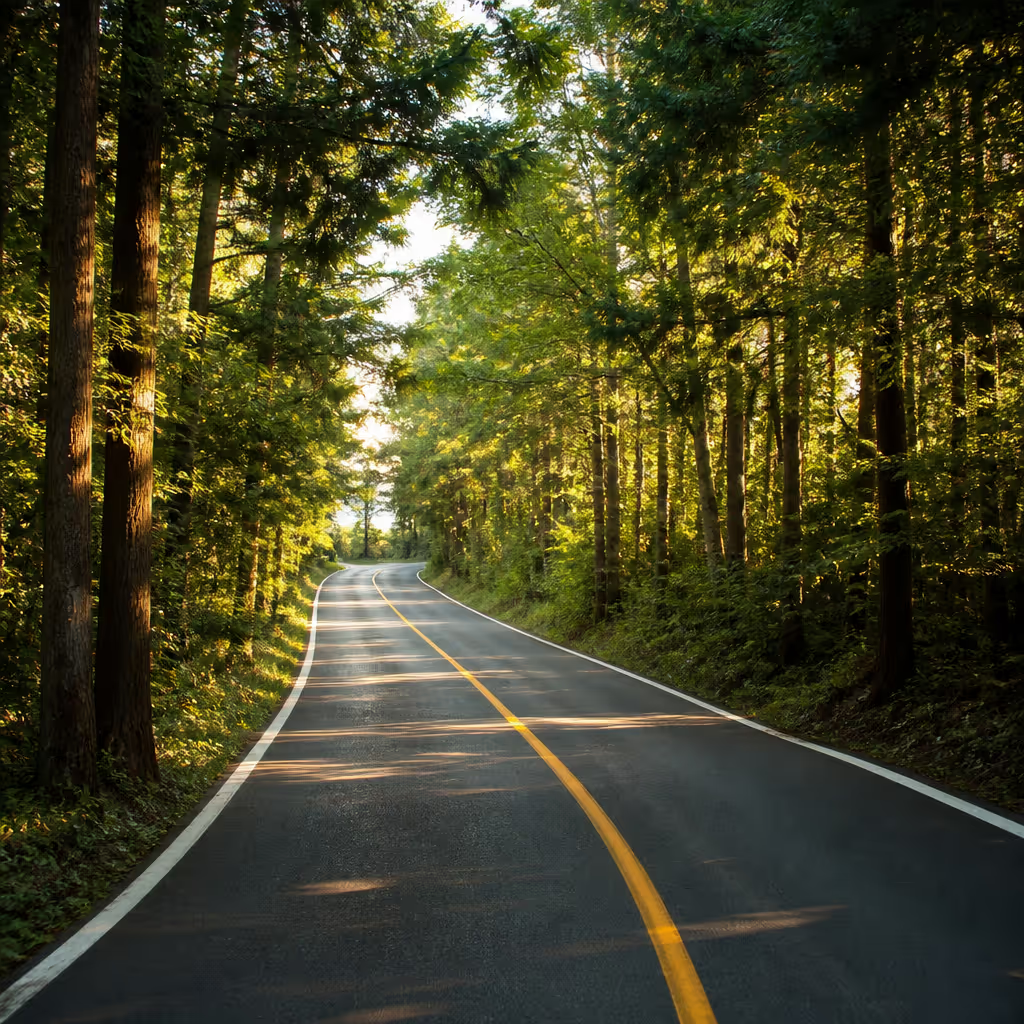
Departing the Manjanggul parking lot around 5:00 p.m., the drive to Galchibada in Aewol runs about 55 minutes via Beonyeong-ro and Pyeonghwa-ro, landing on the western coast around 5:55 p.m. This is exactly the window when the western sky begins to warm toward sunset, and a floor-to-ceiling window seat catches the first minutes of the evening light while the body still carries the cool 15-degree register from the cave. The contrast between the underground stillness and the 26-degree evening sea breeze is one of the sharper sensory transitions Jeju offers in a single afternoon.
The reverse direction works equally well. Finishing an early lunch in Aewol and driving east around 2:00 p.m. puts you at Manjanggul at 3:00 p.m. for the coolest afternoon slot of the day. Either way, 60 underground minutes at 15 degrees paired with an evening on the western coast delivers two entirely different natural registers inside the same afternoon, and the UNESCO cave anchors the day with genuine geological weight.
Frequently Asked Questions
- Is the Manjanggul interior really 15 degrees Celsius in summer?
- Yes, the cave holds 15 to 16 degrees Celsius (59 to 61 Fahrenheit) year-round with humidity 87 to 100 percent. Even on a 33-degree July afternoon at the surface, the underground stays cool, so a thin long-sleeve or light cardigan is the sensible layer for the full round trip.
- What are the admission fees, hours, and closure days?
- Admission is KRW 4,000 for adults (about USD 3.00), KRW 2,000 for teens and children, free for children aged 6 and under and seniors aged 65 and above. Hours are 09:00 to 18:00 with ticketing closing at 17:10, and the first Wednesday of each month is a regular closure.
- How long is the accessible section, and how much time does it take?
- The public route runs 500 meters from Entrance 2 to the world's tallest lava column (7.6 m / 25 ft) and 500 meters back, one kilometer total out of a 7.4-kilometer full tube. Round-trip time is 50 to 70 minutes depending on pace, with most visitors finishing around 60 minutes.
- Can strollers or wheelchairs access the cave?
- Access is difficult. The basalt floor is uneven, roughly 40 stairs sit at the entrance, and drops appear along the corridor. A baby carrier or a child able to walk unaided is the practical choice. Visitors with mobility devices should plan alternative UNESCO viewing points instead.
- How long is the drive from Manjanggul to Galchibada in Aewol?
- About 55 minutes by car via Beonyeong-ro and Pyeonghwa-ro. Departing the cave around 5:00 p.m. lands you in Aewol around 5:55 p.m., which fits cleanly with an early sunset dinner at a floor-to-ceiling window on the western coast.
From a steady 15-degree UNESCO underground to a sunset table on the western coast
After 60 underground minutes, a hairtail dinner as the sun tilts west
Walk 500 meters into a UNESCO lava tube, meet the 15-degree register in front of a 7.6-meter basalt column, then carry that stillness west for 55 minutes. A 5:00 p.m. cave exit lands at a floor-to-ceiling window in Aewol by 6:00, and the underground time and the sunset coast meet inside a single afternoon as two contrasting natural registers.
About 55 minutes from Manjanggul parking to Galchibada in Aewol →