Sangumburi Maar Crater Walk, A Two-Kilometer Rim Above a Depression Without a Mountain
A 132-Meter-Deep Circular Bowl on the Jocheon Bijalim-ro Where a Maar Volcano Sinks Below the Surface
Sangumburi is a maar crater at 768 Bijalim-ro, Jocheon-eup, Jeju City. Underground magma met groundwater and triggered a phreatomagmatic eruption that blasted the surface down, forming an unusual crater that sits below ground rather than rising above it. Circumference is 2,070 meters (about 1.3 miles) and depth 132 meters (433 feet), deeper than Hallasan's summit lake Baengnokdam. Designated Natural Monument No. 263, the crater interior preserves Chinese privet stands and rare plants like Amur adonis and Byeonsan wind flower in a naturally protected state. Admission is KRW 6,000 for adults (about USD 4.50), and KRW 4,000 for teens, children, seniors 65+, and Jeju residents. Hours are 9:00 a.m. to 6:40 p.m. (last entry 6:00 p.m.) from March through October, and 9:00 a.m. to 5:40 p.m. (last entry 5:00 p.m.) from November through February. From Galchibada in Aewol the drive runs about 55 minutes.
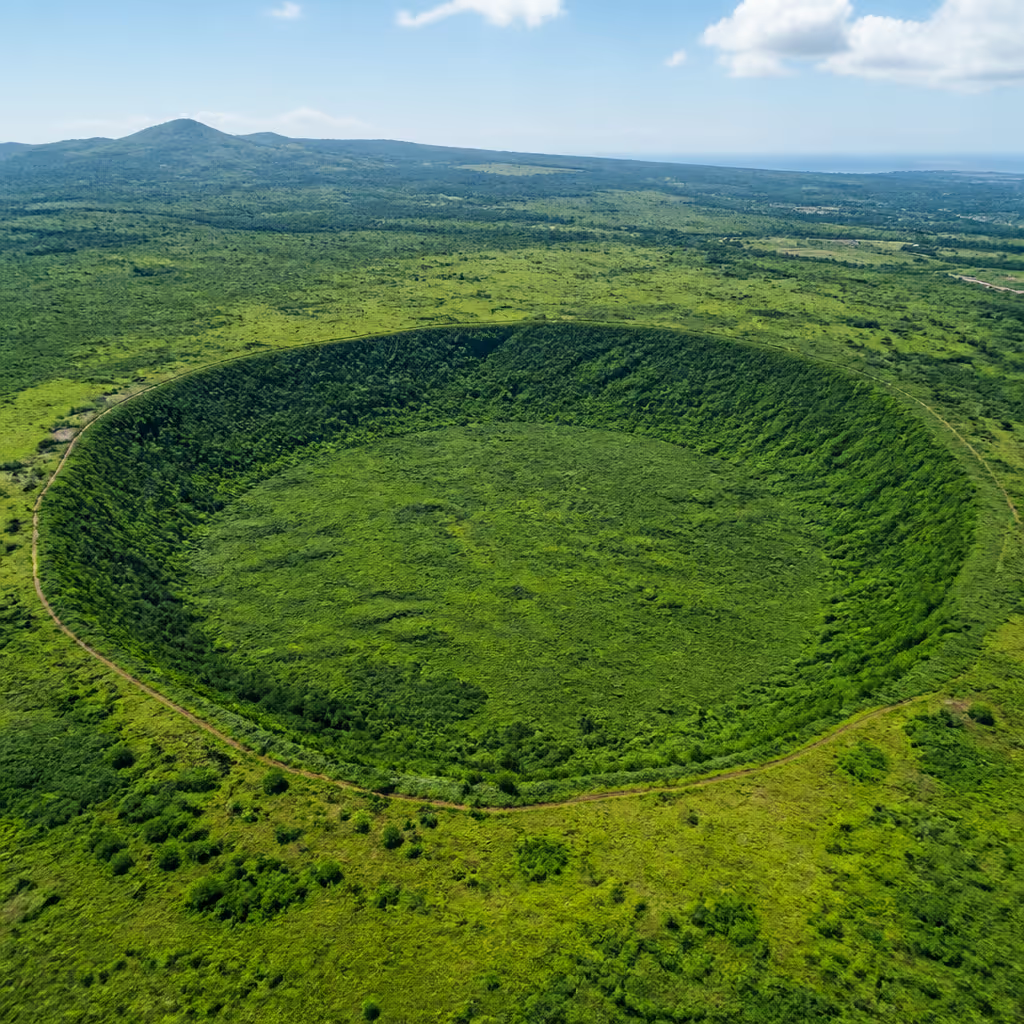
Somewhere in the Jocheon mid-slopes on a July afternoon sits a circular crater that never grew a mountain above it. This is a maar, formed at the exact moment underground magma met groundwater and blew steam violently upward, ripping the surface into a bowl 2,070 meters (about 1.3 miles) around and 132 meters (433 feet) deep instead of piling volcanic material into a cone. The interior sits green in high summer, and the outer rim path holds a level 40 to 60-minute loop around the circle. From Galchibada in Aewol the drive to the Sangumburi ticket booth runs about 55 minutes.
For visitors familiar with the Devils Tower type of volcanic drama in the American West or the maar lakes of the Eifel region in Germany, Sangumburi reads familiar in the type of geology but distinctive in its lack of surface elevation. This is a rare Korean example of a large maar, one of the reasons it holds Natural Monument status.
A Volcano Without a Mountain, The Maar Formation
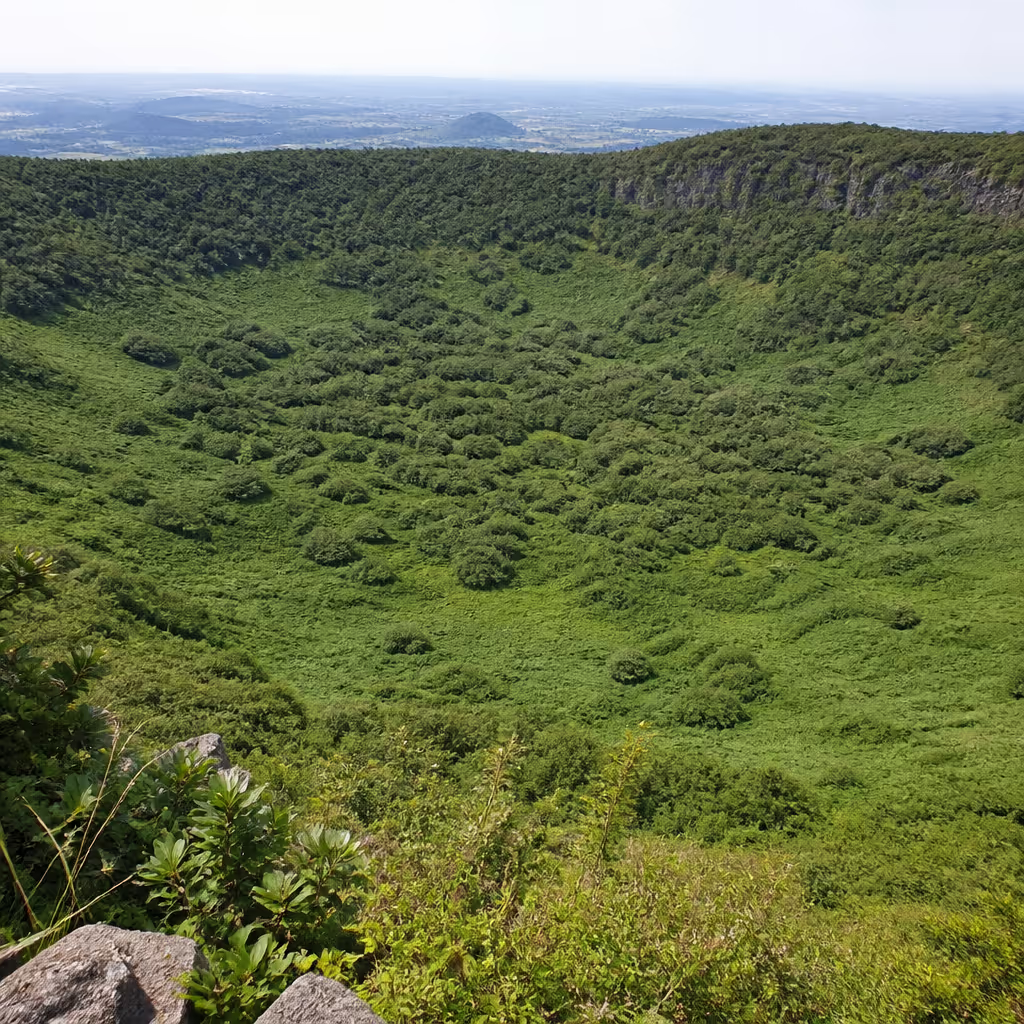
The crater's form differs fundamentally from the oreum cones scattered across Jeju. Most oreum are the product of Strombolian eruptions where magma pushes up to the surface and piles into layered cones, but Sangumburi formed through a phreatomagmatic eruption: underground magma making sudden contact with a groundwater layer, causing a violent steam explosion that ripped the surface itself downward. Geologists call this crater type a maar, and Sangumburi is a Korean signature example of a large-scale maar landform.
The walls of the crater are the exposed surface torn open by the blast, and while the slope is steep, time has softened it with soil and vegetation into a gentler green register. No water pools inside; instead, Chinese privet stands and rare plants such as Amur adonis and Byeonsan wind flower grow inside in a naturally preserved state. On June 20, 1979, the crater was designated Natural Monument No. 263, and it is managed for academic study and protection. For general orientation, see the Visit Jeju English page for Sangumburi.
The 2-Kilometer Rim Walk, 40 to 60 Minutes in Summer
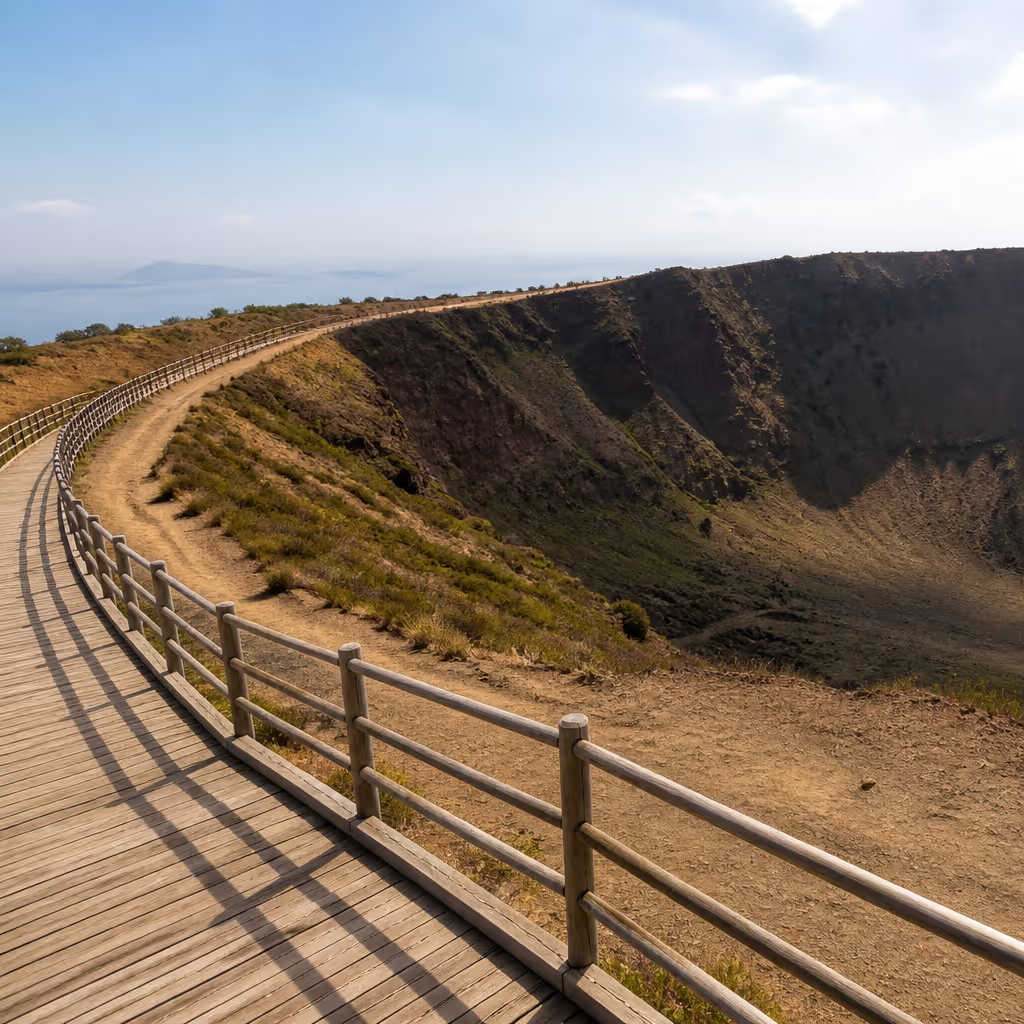
The rim walk around the crater totals 2,070 meters (about 1.3 miles) of level earth path alternating with low wooden deck. Depending on pace it takes 40 to 60 minutes, and the rim width comfortably fits two people side by side and matches a child's stride. From the southern rim, Hallasan's summit silhouette sits low in the southern view, and from the northern rim the low ridges of Jocheon and Hamdeok reach out toward Udo Island on a single axis.
The signature summer register is the crater interior's green. Autumn is famous for silver eulalia grass, but July grass is still leafy and green, spreading across the basin like a natural lawn with low shrubs scattered throughout. Eight low wooden benches and two observation decks along the rim create resting points and photography spots, and the second observation deck on the western rim frames the widest angle of the circular basin.
Summer Green, A Season Before the Silver Grass
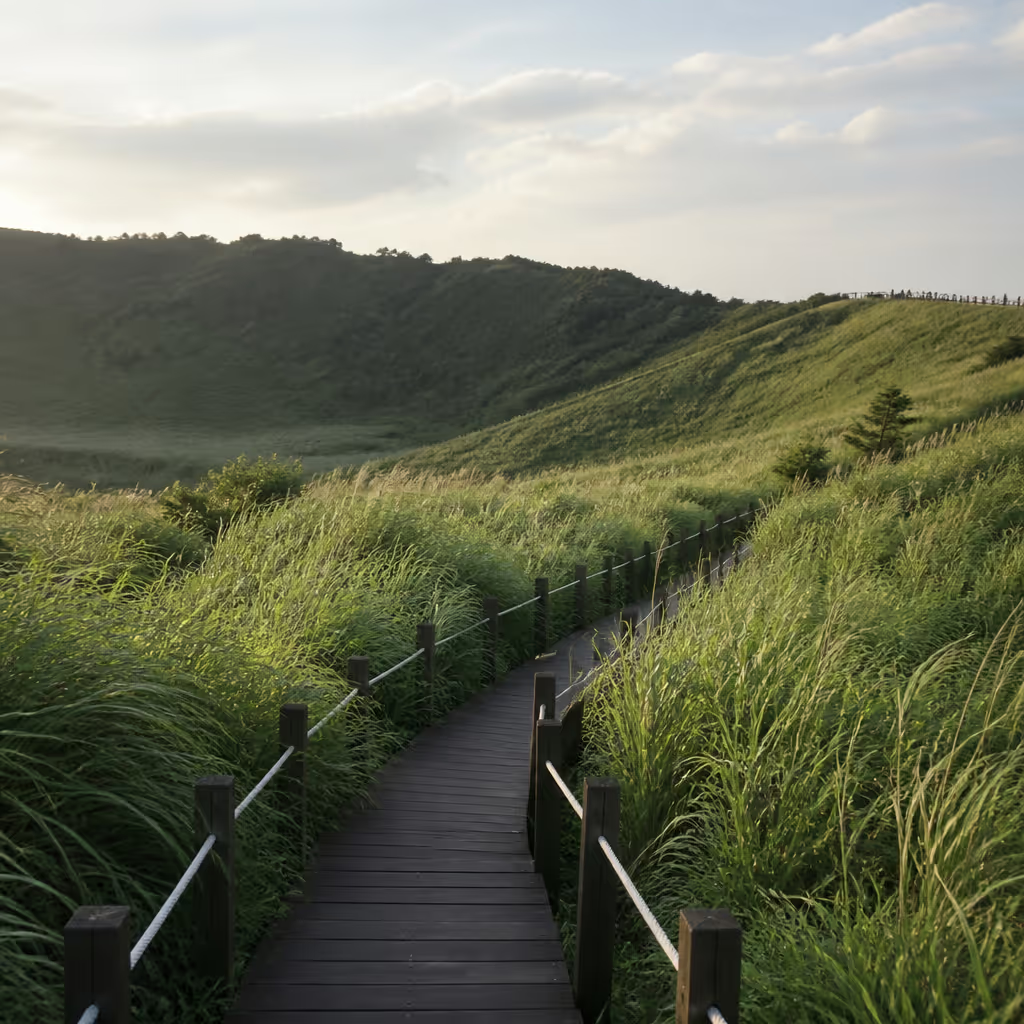
Most visitors picture Sangumburi in autumn silver, but the summer maar sits in a green register with fewer people and a quieter walking rhythm. From late June through early August, the eulalia sits as leafy green without its silver bloom, and low shrubs and wildflowers fill in the ground layer for a saturated green interior. From above on the rim, the entire circular basin reads as a bowl of green, which is the summer photograph most worth carrying home.
For summer timing, the 9:00 a.m. opening or after 4:00 p.m. holds the most comfortable rim register. At midday the rim lacks shade and July sun can push perceived temperature past 32 degrees Celsius (90 Fahrenheit), while early morning and late afternoon angled light lays softly across the interior wall. Shaded benches and three vending machines sit near the ticket booth for a short rest before or after the rim walk.
Entry, Fees, and Parking
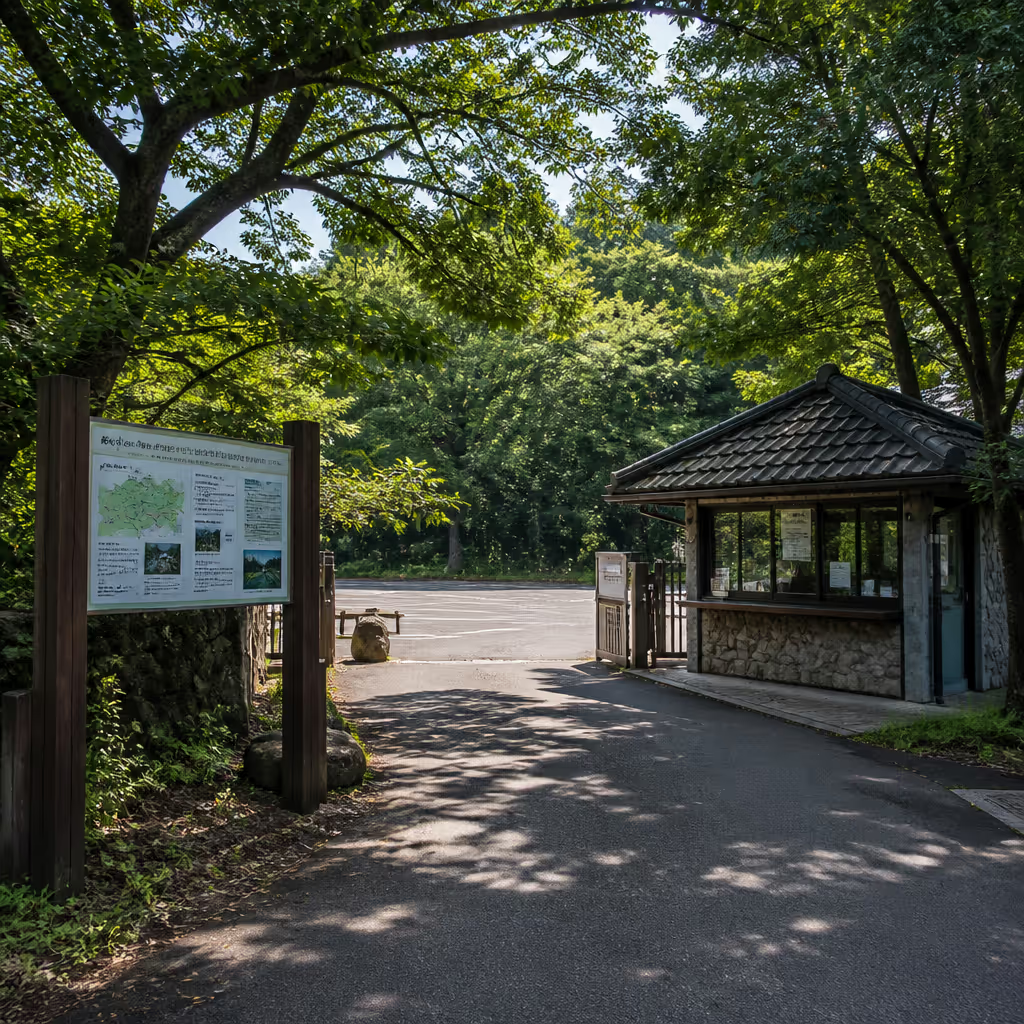
Admission at Sangumburi is KRW 6,000 for adults including university students (about USD 4.50), and KRW 4,000 for teens, children aged 4 and older, seniors 65 and above, Jeju residents, national merit recipients, and disabled visitors. Children aged 3 and under enter free. Pets are not permitted. Hours run 9:00 a.m. to 6:40 p.m. with last entry 6:00 p.m. from March through October, and 9:00 a.m. to 5:40 p.m. with last entry 5:00 p.m. from November through February. The site is open year-round.
A large free parking lot sits in front of the ticket booth and comfortably accommodates cars and mini-buses. During peak summer, crowds tend to build after 10:00 a.m., so 9:00 a.m. opening or after 4:00 p.m. entry pairs best with the quieter walking rhythm. From the ticket booth to the rim entrance is a 5-minute walk, and restrooms and vending machines sit at the rim start for a brief pre-walk prep.
Sangumburi to Aewol, A 55-Minute Afternoon Return
Departing the ticket booth around 3:00 p.m., the drive to Galchibada in Aewol runs about 55 minutes via Bijalim-ro, Beonyeong-ro, and Pyeonghwa-ro, landing in Aewol around 4:00 p.m. This is one of the brighter afternoon windows on the Aewol coast for an early seat at a full-height window, and the maar's circular basin and the ocean-view register on the western coast fold into a single day as two distinct natural registers.
The reverse direction also works. Finishing an early lunch in Aewol and driving east around 1:00 p.m. puts you at the crater around 2:00 p.m., after the morning crowd has thinned, and departing around 3:00 p.m. leaves time to add a short stretch on the Aewol cafe street or Handam coastal walk before the evening seat. Either order pairs the green crater and the western coast ocean view inside one day.
Frequently Asked Questions
- How does Sangumburi differ from a regular oreum?
- Oreum are volcanic cones built up by Strombolian eruptions where magma piles upward. Sangumburi formed through a phreatomagmatic eruption: underground magma met groundwater, exploded in violent steam, and blasted the surface downward into a bowl. It is a maar, a circular depression that sits below the surface rather than a mountain rising above, and it is a Korean signature example of a large maar.
- What is the scale and scientific value?
- Circumference is 2,070 meters (about 1.3 miles) and depth 132 meters (433 feet), deeper than Hallasan's summit lake Baengnokdam (about 108 meters). It was designated Natural Monument No. 263 on June 20, 1979, and the crater interior preserves Chinese privet stands and rare plants like Amur adonis and Byeonsan wind flower in a naturally protected state, giving it high scientific value.
- What are entry fees, hours, and parking?
- Admission is KRW 6,000 for adults (about USD 4.50), KRW 4,000 for teens, children, seniors 65+, and Jeju residents. Children 3 and under enter free. Hours run 9:00 a.m. to 6:40 p.m. (last entry 6:00 p.m.) from March through October and 9:00 a.m. to 5:40 p.m. (last entry 5:00 p.m.) from November through February. A large free parking lot sits at the ticket booth.
- Can I see silver grass in summer?
- The silver eulalia bloom peaks in October and November. In July the eulalia sits as leafy green covering the crater interior in a green register for the summer season. Crowds are lighter, and the 9:00 a.m. opening or after 4:00 p.m. entry pairs best with the softest angled light for photography.
- How long is the drive to Galchibada in Aewol?
- About 55 minutes from the Sangumburi ticket booth via Bijalim-ro, Beonyeong-ro, and Pyeonghwa-ro. A 3:00 p.m. departure lands in Aewol around 4:00 p.m., pairing cleanly with an early seat at a full-height window on the western coast.
From a green maar crater rim to a western afternoon 55 minutes away
After a 2-kilometer rim loop, a hairtail stew behind a full-height window
Carry the green register of a circular basin 132 meters below the surface and 60 easy minutes on the rim westward for 55 minutes. The circular view of the maar settles in front of an Aewol full-height window by 4:00 p.m., and the two natural registers of ancient crater and ocean view fold into one afternoon on the western coast.
About 55 minutes from Sangumburi ticket booth to Galchibada in Aewol →