Iho Tewoo Anchovy Festival, Old Net-Hauling and Wondam Stone-Weir Fishing on a Black-Sand Beach
Three Days of Working-Fisher Reenactments, Tidepool Wondam Weirs, and Beach Fireworks a Fifteen-Minute Drive From Jeju International Airport
The Iho Tewoo Anchovy Festival is Jeju's most photographed traditional fishing festival, held over three days each mid-to-late July at Iho Tewoo Beach in Iho 1-dong, Jeju City. In 2026 the dates fall over the third weekend of July. About 20 costumed reenactors demonstrate 30-minute traditional net-hauling sessions four times daily on weekdays and five times on weekends. The final 7:00 p.m. demonstration overlaps with the sunset light for the best photograph. A natural stone weir (wondam) on the eastern volcanic rocks holds twice-daily hands-on sessions at low tide. Beach concerts run nightly at 7:30 p.m., and an 800-shot fireworks show closes the final night at 9:00 p.m. From Galchibada in Aewol the drive runs about 20 minutes, the shortest of Jeju's summer festival lineup.
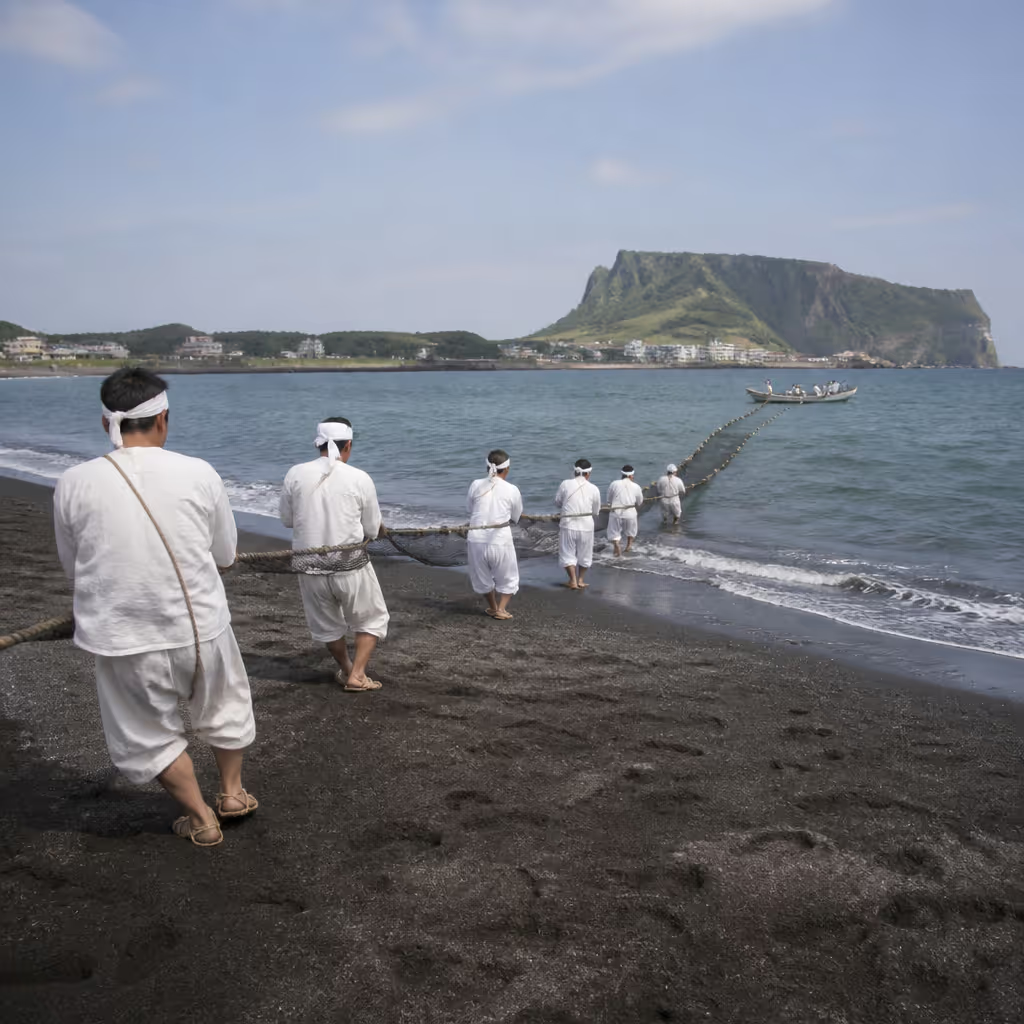
The stretch of coast between Dodu Harbor and Iho 1-dong is one of the few places in East Asia where a working fishing culture still stages public reenactments on the same sand it was born on. The Iho Tewoo Anchovy Festival lives on this black volcanic beach for three days each mid-to-late July, and it does something California's Fisherman's Wharf never quite manages: it puts the fishers themselves, in the actual work clothes their grandparents wore, on the actual beach they still cast from.
For a Western traveler landing at Jeju International Airport, this is the closest cultural festival on the island; the beach is a 15-minute drive (roughly 8 kilometers, or 5 miles) from the arrival gate, and the drive from Galchibada in Aewol runs a mere 20 minutes along Iljuseoro (Route 1132). What you see is not a costumed street parade. It is 20 costumed reenactors executing the actual net-haul sequence Jeju fishers used to catch summer anchovy, complete with the labor song (the anchovy-driving chant) that kept the rhythm.
Three Days in Mid-to-Late July, Reenactment Schedule
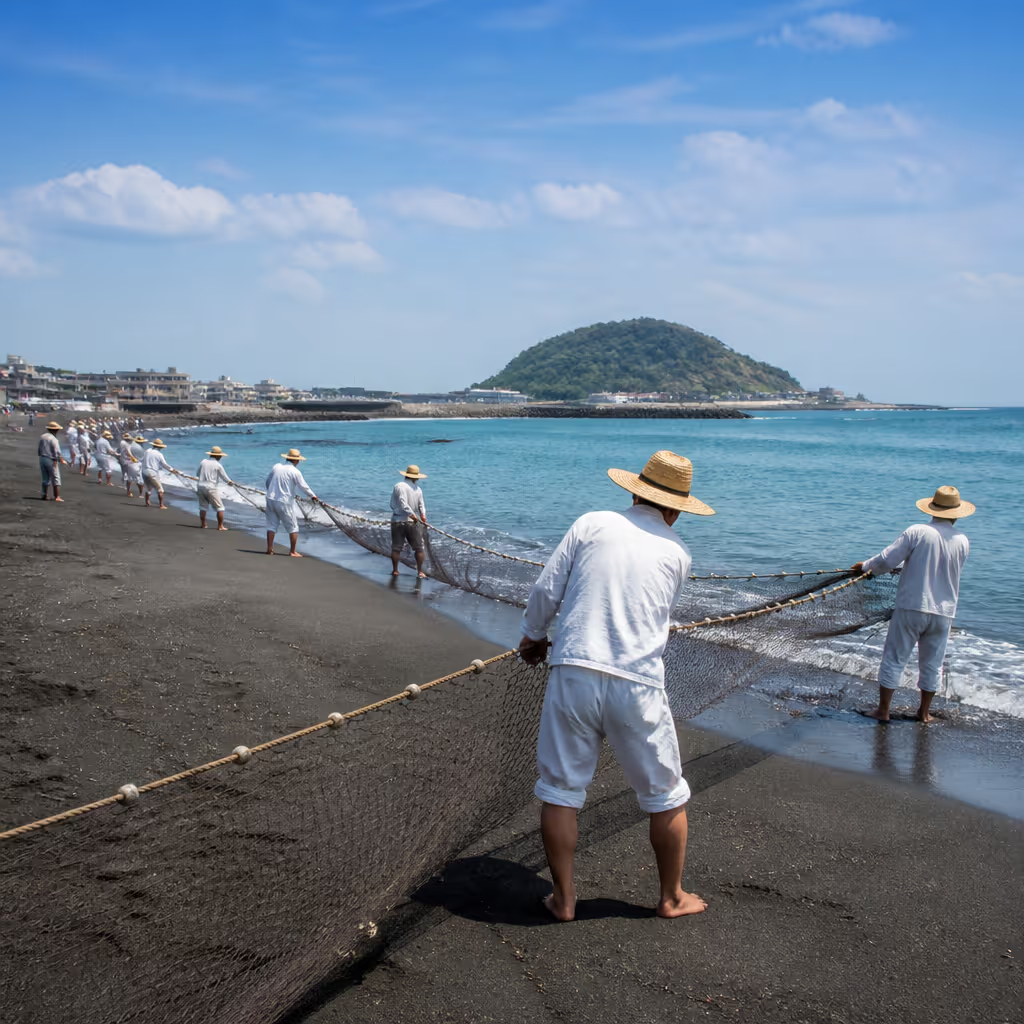
The festival occupies three days each mid-to-late July as the most distinctive stretch inside Jeju City's eight-beach summer season. In 2026 the dates fall over the third weekend of July. Roughly 20 reenactors in traditional summer fisher clothing perform 30-minute net-hauling sessions four times daily on weekdays (11:00 a.m., 2:00 p.m., 4:00 p.m., 7:00 p.m.) and five times on weekends (10:00 a.m., 12:00 p.m., 2:00 p.m., 5:00 p.m., 7:00 p.m.). The 7:00 p.m. session is the one photographers plan around, since the sunset light rakes along the black sand at exactly the angle where the net line reads as a single graphic frame.
Two motions define the reenactment. First, eight fishers line up and pull a 40-meter (130-foot) net onto the sand in unison, replicating the cooperative labor pattern that used to bind entire coastal villages. Second, 12 reenactors ring the pulling line and provide the anchovy-driving song, clapping the rhythm on their palms. For historical context in Korean, the Digital Jeju Cultural Encyclopedia entry on the summer beach festival covers the origin of the ritual and the village-level context that shaped it.
Wondam Experience, Natural Stone Weir on the Eastern Rocks
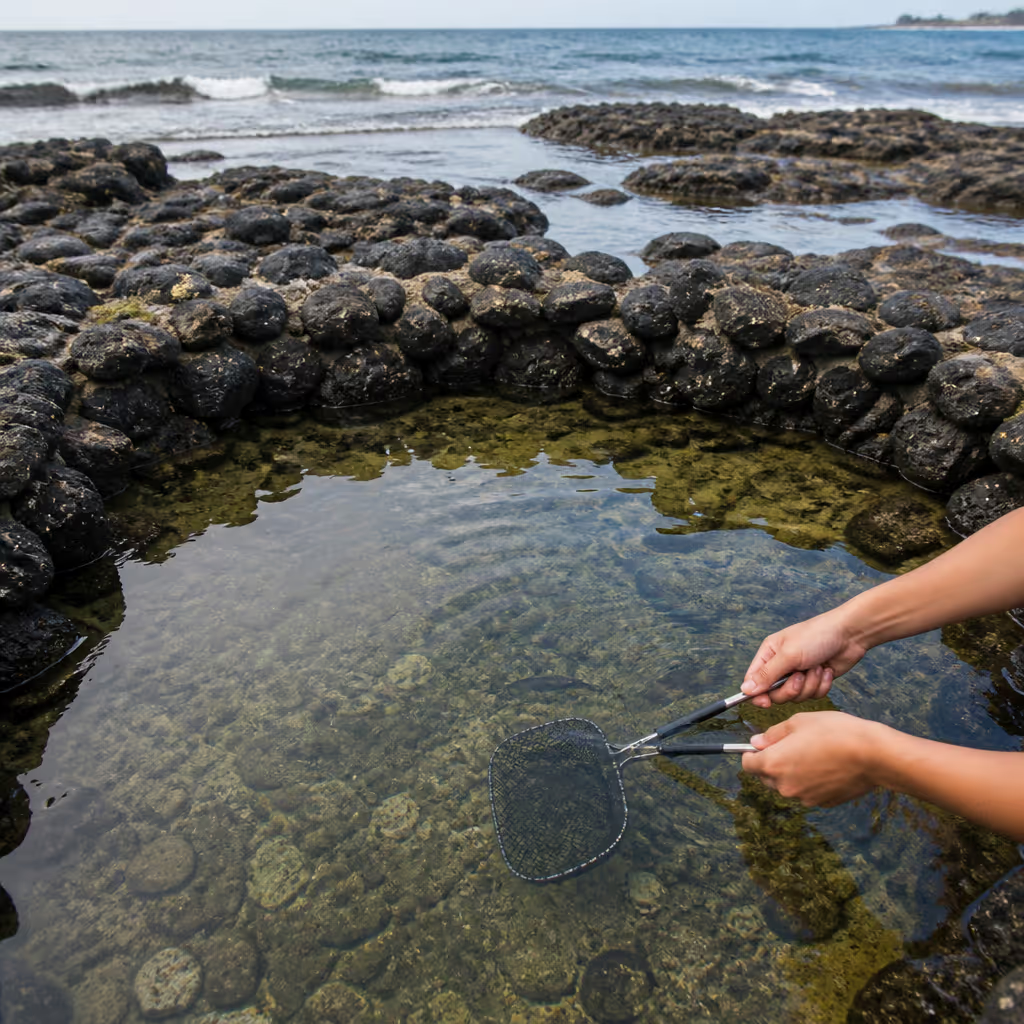
The second core attraction is the wondam, a natural stone weir shaped along the eastern volcanic rocks. Roughly 15 meters (50 feet) long and 2 meters (6.5 feet) wide, the weir traps small marine life (short-arm octopus, small flatfish, mudskippers) inside its wall when the tide falls. During the festival, twice-daily hands-on wondam sessions let visitors wade in and gather what has been trapped. Safety sandals and a fine mesh net rent for KRW 3,000 (about USD 2.25) per person, and children can participate under parent supervision.
Session times shift daily to match the falling tide. About one hour after high tide holds the highest number of trapped fish, and the festival information desk publishes the exact daily times each morning. A typical session yields 5 to 10 small fish per person over the hour, and everything caught is returned to the sea by the festival organizers under a conservation protocol. For a night-scene follow-up at the same location, the Iho Tewoo pony lighthouse night view → works as a next-evening pairing.
Beach Concerts and the Closing Fireworks
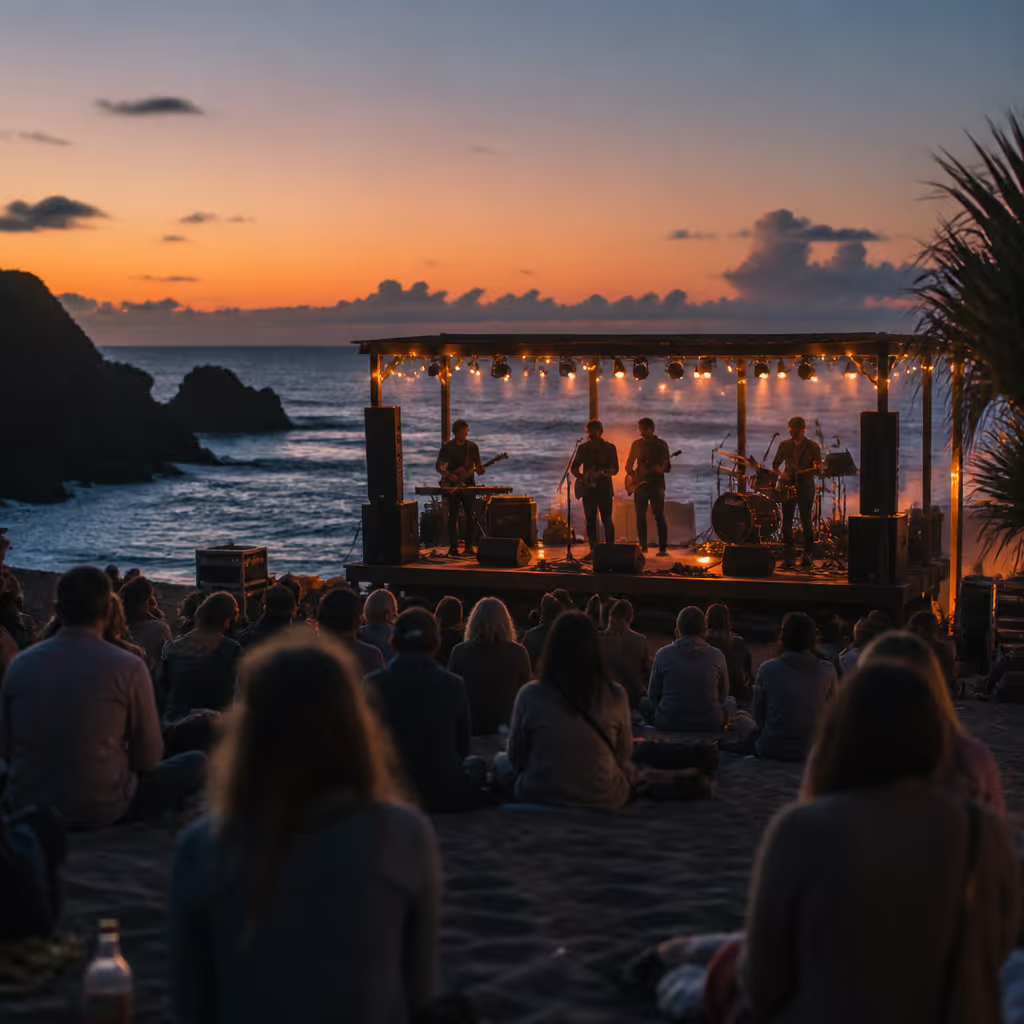
Across all three nights, a free beach concert runs from 7:30 p.m. on a temporary center stage. Night one features an acoustic duo and four indie bands over 90 minutes. Night two features two Jeju-based vocal acts over one hour. Night three closes with a K-pop cover set fitting the finale mood. Seating is informal, about 800 spots on the sand, with roughly 15 summer-only food trucks flanking the stage. Deep-fried squid, grilled corn with butter, and hallabong ade run KRW 6,000 to KRW 12,000 per portion (roughly USD 4.45 to USD 8.90).
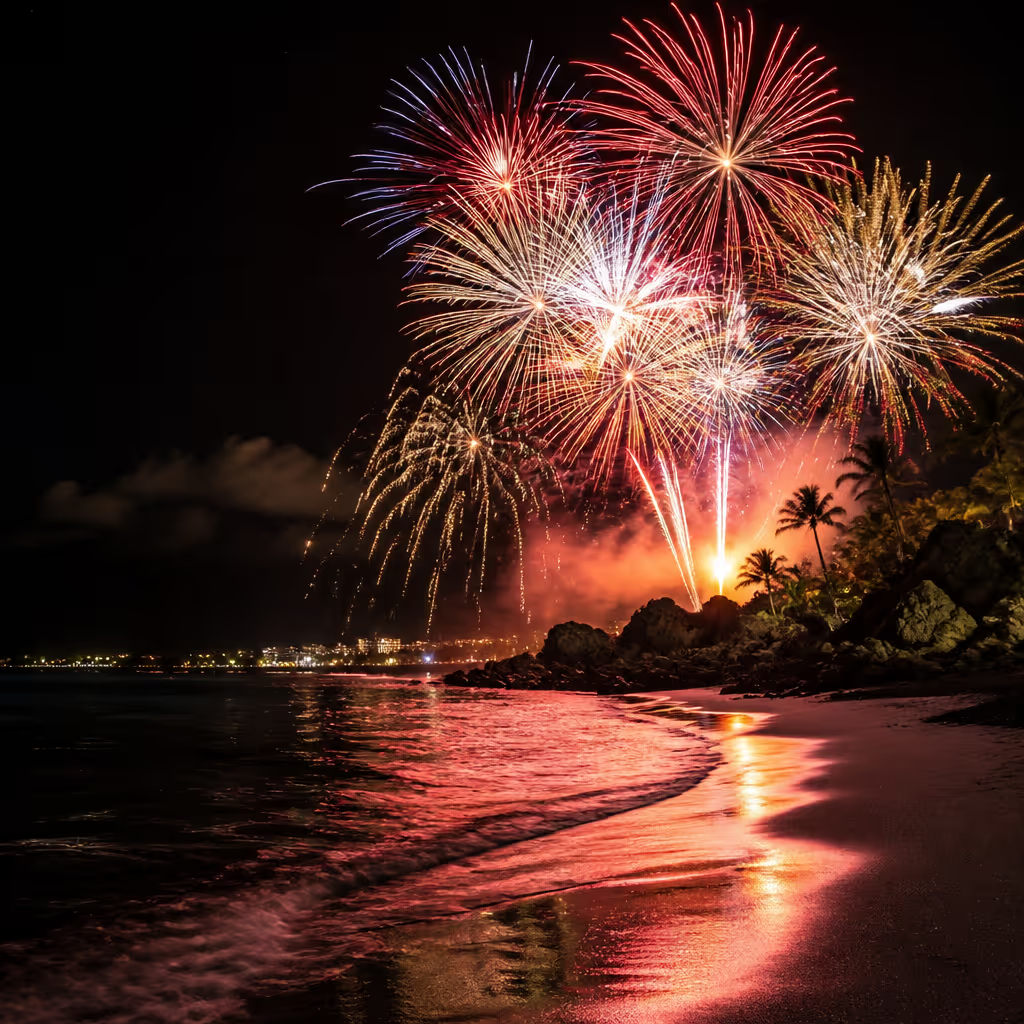
The final night closes at 9:00 p.m. with a 15-minute fireworks show launched from the eastern volcanic rocks. Roughly 800 shells rise to 50-meter (160-foot) heights, and the color reflection against the black sand reads with a different depth than fireworks over pale sand. Sunset in the second week of July falls around 7:35 p.m. locally; the exact time by coordinate is at the Korea Astronomy and Space Science Institute sunrise-sunset table. The first shot rises just as the 30-minute blue hour ends, so an hour of pre-show beach time reads as the natural approach.
The Black-Sand Beach and the Red-and-White Pony Lighthouses
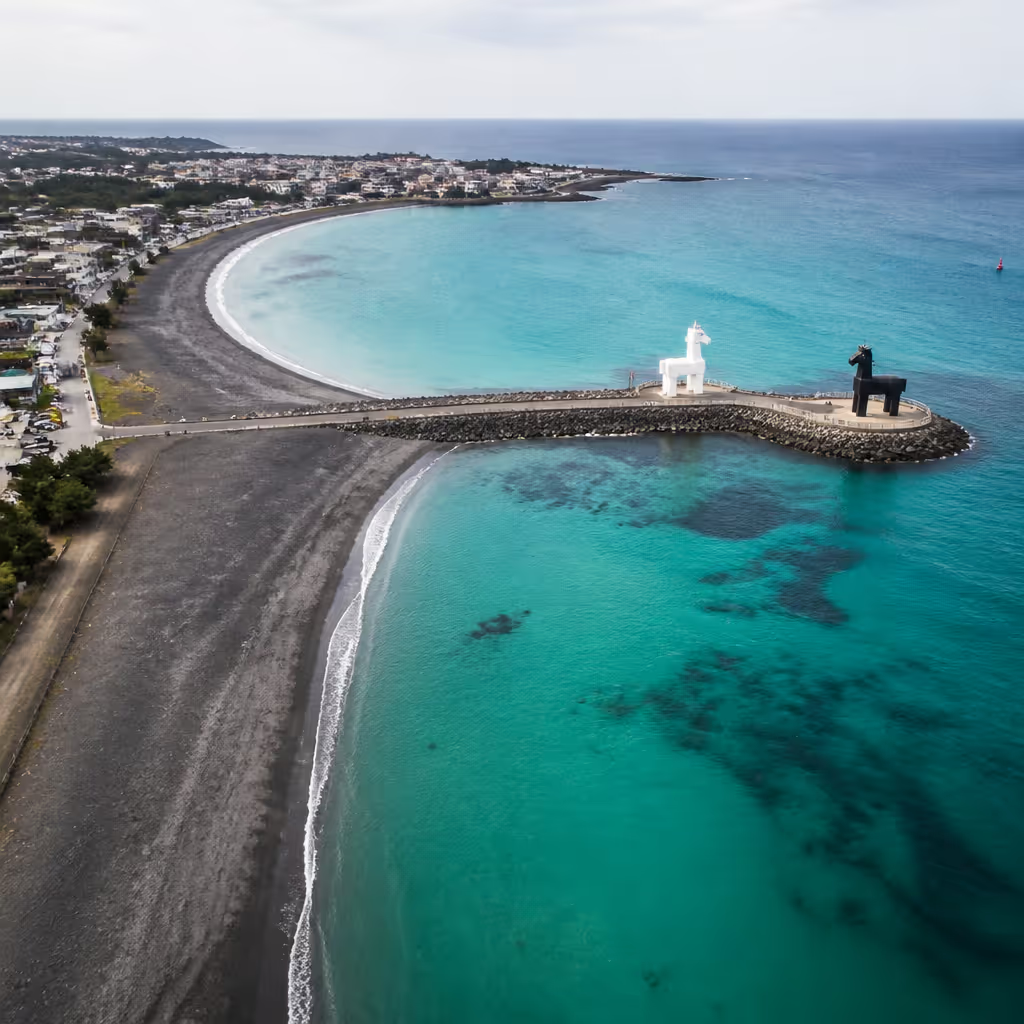
Iho Tewoo Beach is smaller than most Jeju beaches, roughly 250 meters (820 feet) long by 70 meters (230 feet) wide, but visually distinctive because the sand runs closer to a dark gray-black than the pale volcanic sand of Hyeopjae or Hamdeok. The color comes from basalt fragments carried down by the Hancheon River and pulverized volcanic stone shed by the eastern rocks. The result is a sunset scene that reads more like Iceland's Reynisfjara than a standard tropical beach, and the reflection curve during golden hour is visibly different from any other Jeju beach.
At the eastern edge stand the two pony-shaped lighthouses (one white, one red), built in 1991 and now the most photographed landmark on the entire western Jeju City coastline. During the fireworks show, the shells rise in the sightline between the two ponies, and that particular composition is what photographers plan around. In midday July sun, the black sand runs about 5 degrees Celsius (9 Fahrenheit) hotter than pale sand at the surface, so a beach mat is safer than sitting directly on it between noon and 2:00 p.m.; after 4:00 p.m., shade returns and seating becomes comfortable again.
Iho Tewoo to Galchibada, The Shortest Line of the Season
Free parking accommodates about 350 vehicles next to the beach entrance. Weekend evenings fill the lot by 5:00 p.m., so public transport is the safer choice: Bus 365 from Jeju International Airport reaches Iho Tewoo Entrance in about 15 minutes, and real-time updates run at the Jeju Bus Information System. From Iho Tewoo, the drive to Galchibada in Aewol runs 20 minutes along Iljuseoro (Route 1132), the shortest connection between any Jeju summer festival and the Aewol coast.
The natural approach is to arrive by 6:30 p.m., catch the final 7:00 p.m. net-hauling session, sit through the 7:30 p.m. beach concert for an hour, and drive out right after the 9:00 p.m. close. That puts you in front of the Aewol full-height window by about 9:35 p.m., with the black sand still slightly warm on your shoes and the salt scent of the deep-fried squid still on your sleeve. To pair with the same summer's larger festival calendar, the Hamdeok Beach Opening Festival → makes a natural anchor two weeks earlier on the emerald bay.
Frequently Asked Questions
- When does the Iho Tewoo Anchovy Festival run?
- Three days each mid-to-late July, with 2026 falling on the third weekend. Weekdays run four net-hauling sessions (11:00 a.m., 2:00 p.m., 4:00 p.m., 7:00 p.m.); weekends run five (10:00 a.m., 12:00 p.m., 2:00 p.m., 5:00 p.m., 7:00 p.m.). The 7:00 p.m. session sits inside sunset light for the best photograph.
- How does the net-hauling reenactment work?
- About 20 reenactors in traditional summer fisher clothing pull a 40-meter (130-foot) anchovy net onto the black sand in unison, while a second group of 12 rings the pulling line and provides the anchovy-driving chant with hand claps. Each session runs 30 minutes and is free to watch without registration.
- How do I join the wondam stone weir experience?
- Twice-daily hands-on sessions run at the natural stone weir on the eastern volcanic rocks, timed to the falling tide. Safety sandals and a fine mesh net rent for KRW 3,000 (about USD 2.25) per person. The exact daily times are posted at the festival information desk each morning.
- What happens with the closing fireworks?
- The final night closes at 9:00 p.m. with a 15-minute fireworks show launched from the eastern volcanic rocks. Roughly 800 shells rise to 50-meter (160-foot) heights, timed so the first shot rises just as the 30-minute blue hour after sunset ends. The color reflection against the black sand is a distinctive photograph.
- What are parking and public transport like?
- Free parking accommodates about 350 vehicles at the beach entrance and fills by 5:00 p.m. on weekend evenings. Bus 365 from Jeju International Airport reaches Iho Tewoo Entrance in about 15 minutes. Real-time schedules are at the Jeju Bus Information System.
- How long is the drive to Galchibada in Aewol?
- About 20 minutes along Iljuseoro (Route 1132), the shortest connection between any Jeju summer festival and the Aewol coast. A 9:15 p.m. departure after the fireworks lands at Galchibada Aewol around 9:35 p.m., in time for a late seat behind the full-height window.
From black sand and net-haul rhythm to a full-height window 20 minutes west
After the 800-shot fireworks over the black sand, a hairtail dinner behind the glass
Carry the black sand still warm on your shoes and the salt of deep-fried squid on your sleeve westward for 20 minutes. The full-height window in Aewol reframes the sea in a quieter register, and the plate at 9:35 p.m. lets the net-haul rhythm and the fireworks color settle into one warm bowl.
About 20 minutes from Iho Tewoo Beach to Galchibada in Aewol →