Jeju Summer Night Squid Fishing Festa, Four Harbors, Twelve Lanterns, and a 7.5-Hour Working Boat From Dusk to Dawn
A Late-July Squid Season Where Fishers Light Twelve Fifty-Watt Lanterns to Draw Small Squid, Serve Sashimi and Ramen on Deck, and Return Home at 3 a.m.
The Jeju Summer Night Squid Fishing Festa runs late July through late August each year at four working harbors (Dodu, Iho, Hahyo, Gosan) simultaneously. In 2026 the season runs July 25 through August 31 (38 days). Boats depart 7:30 p.m. and return 3:00 a.m. (about 7.5 hours), with 12 to 15 passengers per vessel. The experience costs KRW 65,000 (about USD 48) per person, including a rod-and-jig fishing set, self-inflating life jacket, on-board sashimi, and squid ramen. Each deck lights 12 fifty-watt filament lanterns to draw small squid (hanchi, a summer coastal squid), replicating the traditional fishing method. One fisher serves as the guide. Advance reservation runs through each harbor's fishing cooperative or Visit Jeju. From Galchibada in Aewol to Dodu Harbor the drive runs about 25 minutes.
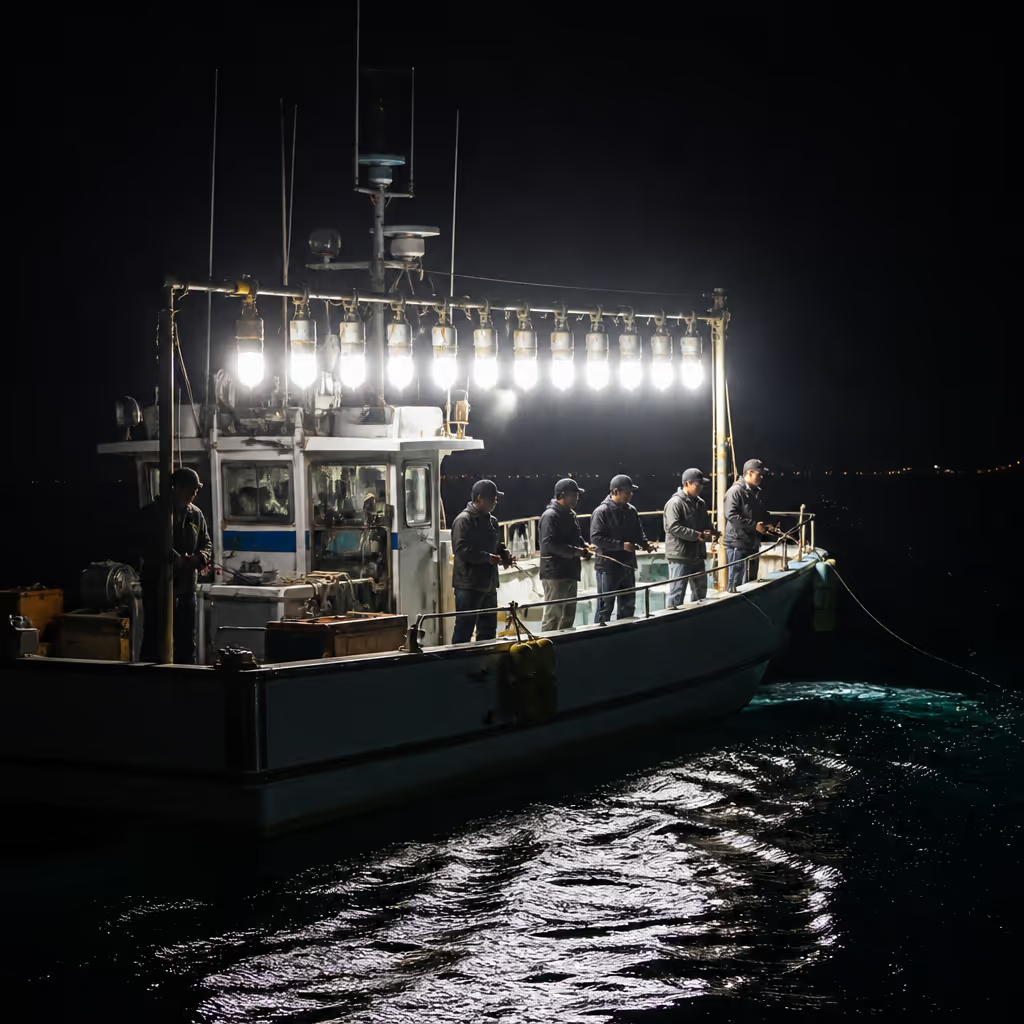
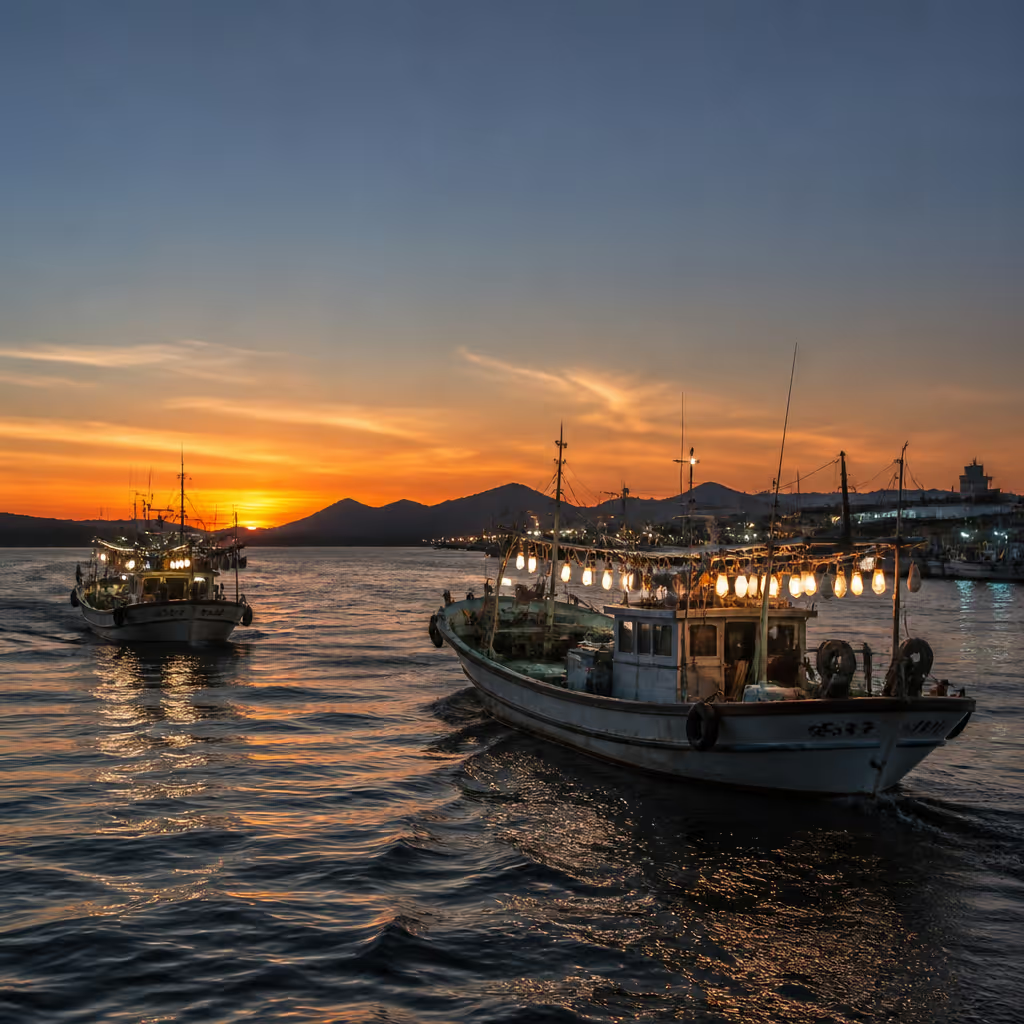
Late July on Jeju's coastal waters holds the thickest layer of small summer squid (hanchi) of the year. Across those roughly six weeks, four working harbors (Dodu, Iho, Hahyo, Gosan) run night-fishing boats simultaneously each evening. Boats depart at 7:30 p.m., and 12 fifty-watt filament lanterns come on above each deck as darkness lands, drawing the small squid in the traditional pattern that has run in Jeju coastal fishing for generations. The fisher himself guides the passengers, teaches how to jig, and cleans the catch into sashimi on deck for tasting. Compared with an Alaska halibut charter or a Boston deep-sea trip, this reads less like a tourist charter and more like riding along on a working night at sea. From Galchibada in Aewol to Dodu Harbor the drive runs about 25 minutes, and this experience makes the longest and most singular register inside a summer night plan.
Late July Season, Four Working Harbors
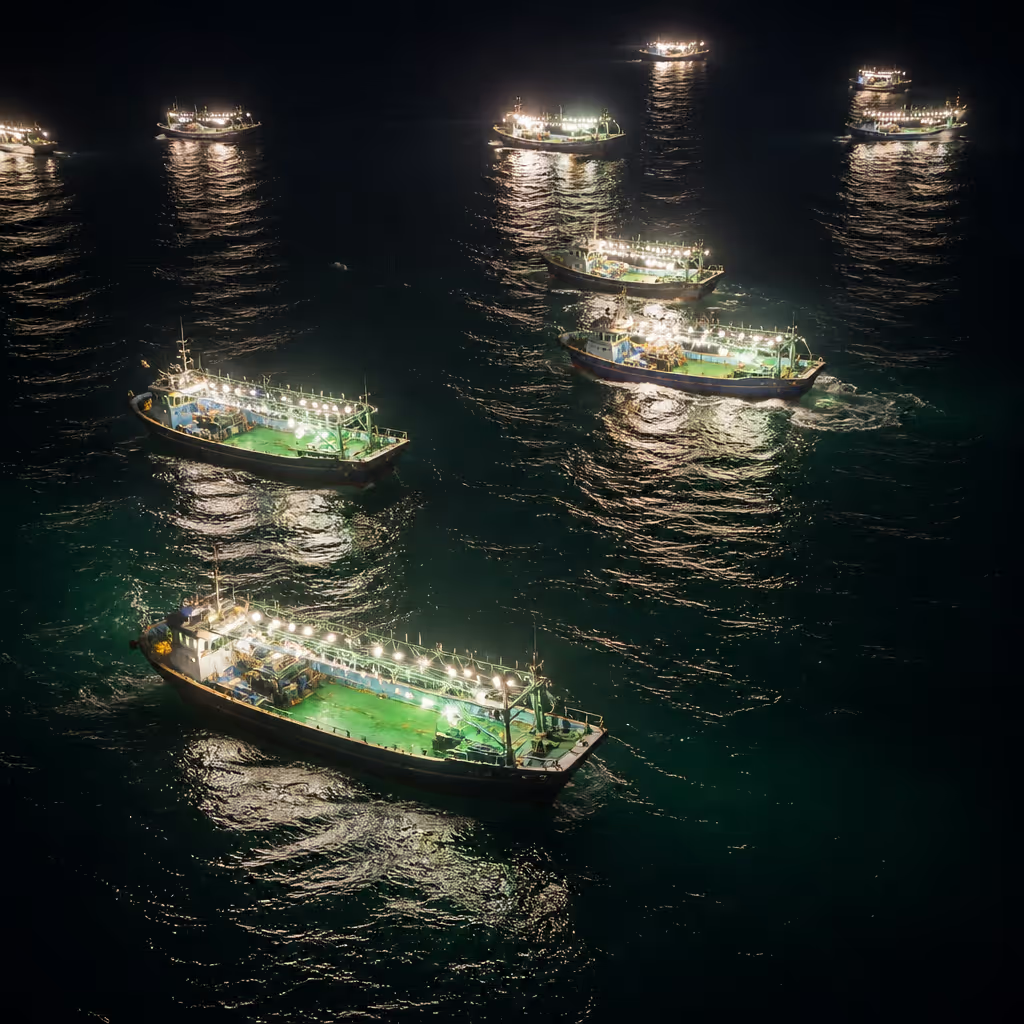
The festa is not a single-harbor event but a coordinated summer season across four working harbors. Dodu Harbor (Jeju City, Dodu 1-dong) sits about 25 minutes by car from Galchibada in Aewol, closest of the four. Iho Harbor (Iho 1-dong) sits about 22 minutes away and is known for the thickest squid concentration. Hahyo Harbor (Seogwipo, Hahyo-dong) is the southern-slope fishing base below Hallasan, and Gosan Harbor (Hangyeong-myeon) sits farthest west with the Chagwido-area squid resource. Each harbor holds 8, 8, 5, and 6 boats respectively, and about 27 boats depart across the four harbors each evening during the festa.
The season runs from around July 20 to the end of August each year, about six weeks. In 2026 the dates run July 25 through August 31, 38 days total. The summer squid arriving through these weeks average 18 to 25 centimeters (7 to 10 inches) in mantle length, with the mineral-rich waters of Jeju's coastal shelf (fed by Hallasan basalt-aquifer runoff) yielding firm flesh and a deeper natural sweetness compared with commercially bought squid in inland cities. Season information updates each July at the Jeju Tourism Organization July top-10 announcement.
Pre-Departure Prep, Twelve Lanterns and a Rod-and-Jig Set
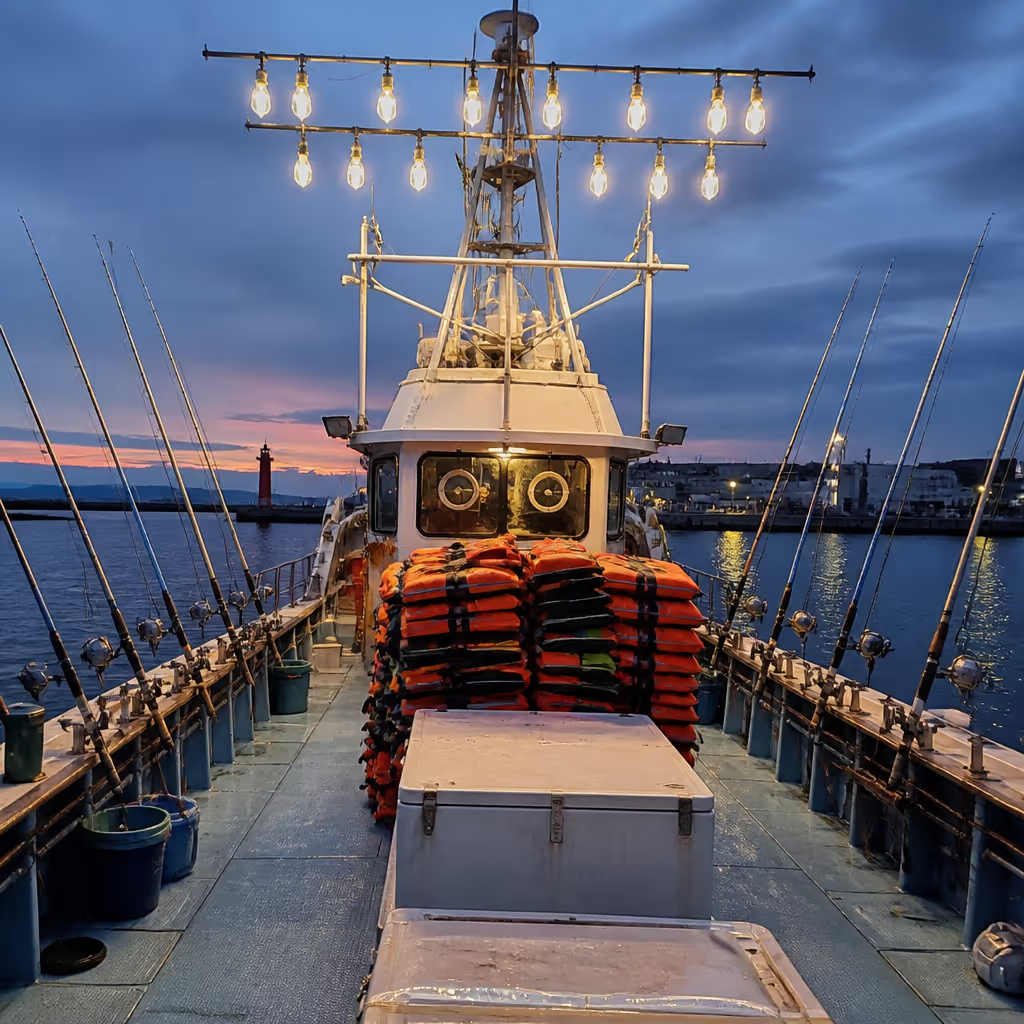
Departure runs at 7:30 p.m., with a recommended harbor arrival at 6:30 p.m. During the hour before departure, the fisher runs a brief safety and gear orientation on deck. Each boat carries 12 to 15 passengers as the safety cap, and all wear a self-inflating life jacket issued from the harbor office before departure. The life jacket is included in the fee. Personal items to bring: a change of clothes, a bottle of mineral water, and a warm outer layer (dawn sea air runs about 5 degrees Celsius, 9 Fahrenheit, cooler than shore).
Fishing gear is issued on deck as a per-person set. Each set includes a 2.4-meter (8-foot) carbon squid rod, two jigs (called egi, artificial lures shaped like small shrimp), and one traditional straight-line squid puller in the old fisher's pattern. The jigs come in pink, green, and yellow, and rotating them across the night matches the changing sensory response of the squid at each hour. Each passenger takes one edge of the deck as a station, and the fisher stands at deck center to light all 12 lanterns simultaneously. The lantern light is a warm filament tone, and the squid begin to rise near the surface following the light about 30 minutes into the session.
On-Board Jigging, 7.5 Hours to Dawn
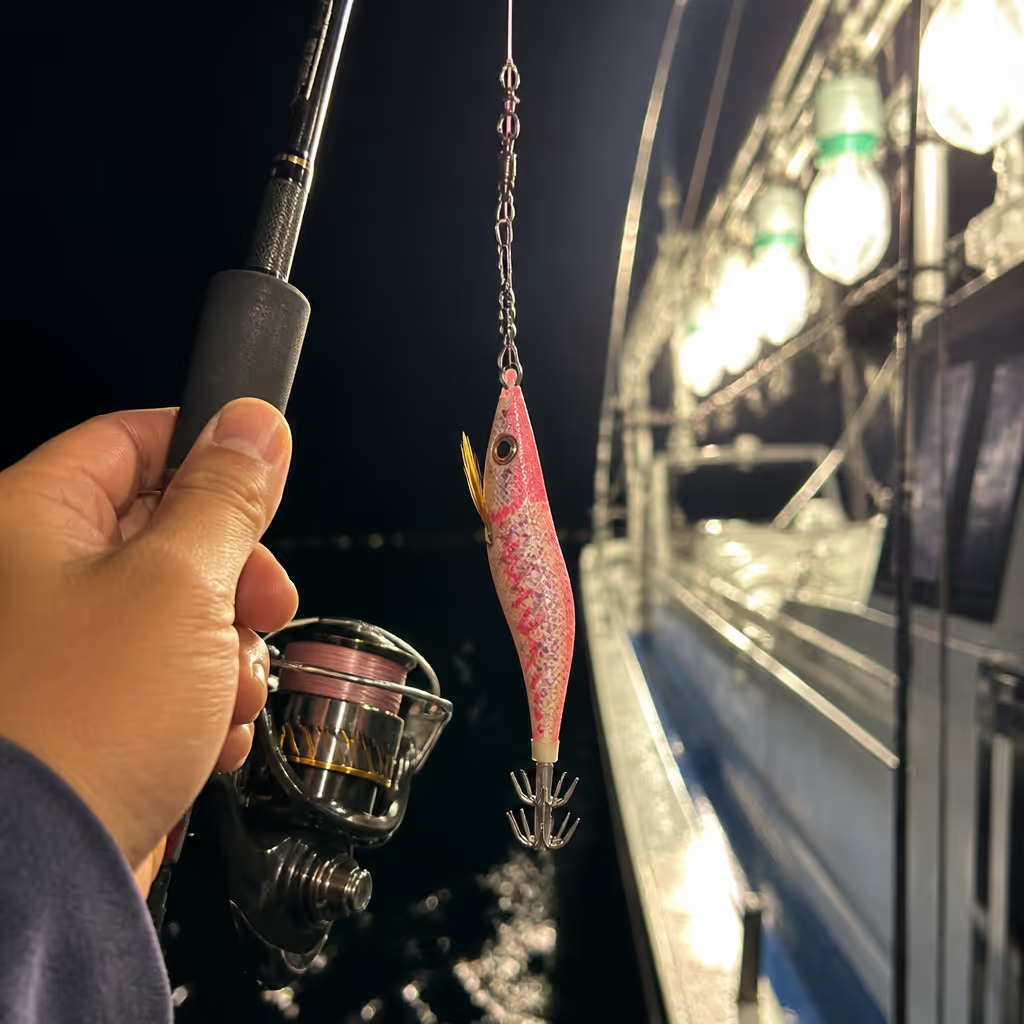
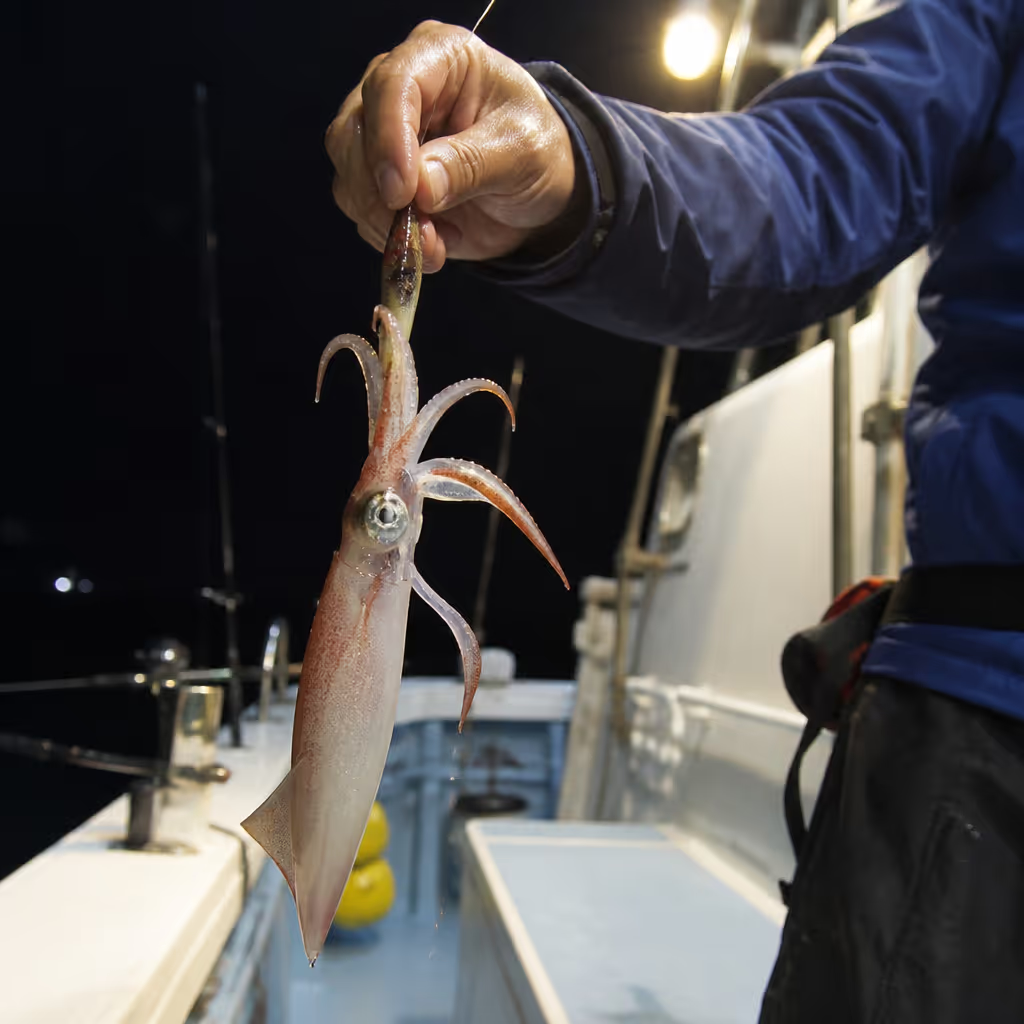
From about 8:00 p.m., active jigging begins. The first hour is adjustment time as the squid follow the light toward the surface. The jig drops to about 2 meters (6.5 feet) below the surface, and the technique is short pulls every 1 to 2 seconds. Landing the first squid takes about 15 to 25 minutes per passenger on average, and the fisher stands beside for the first catch to demonstrate the hand motion that lands the squid on deck. The catch goes into an on-deck ice barrel immediately to preserve freshness for the sashimi hour.
From 10:00 p.m. to midnight, the squid concentrate at their peak, with an average of 5 to 8 catches per passenger during this window. Between midnight and 2:00 a.m., squid activity drops into a pause, and the fisher uses this window to prepare on-deck sashimi and ramen. From 2:00 to 3:00 a.m., activity resumes briefly for the final hour of fishing, and the boat returns to harbor at 3:00 a.m. sharp. Exact sunset and lunar phase data are at the Korea Astronomy and Space Science Institute sunrise-sunset table. Squid activity peaks around the new moon when nights run darkest.
On-Deck Sashimi, Squid Ramen, and Post-Landing Fried Squid
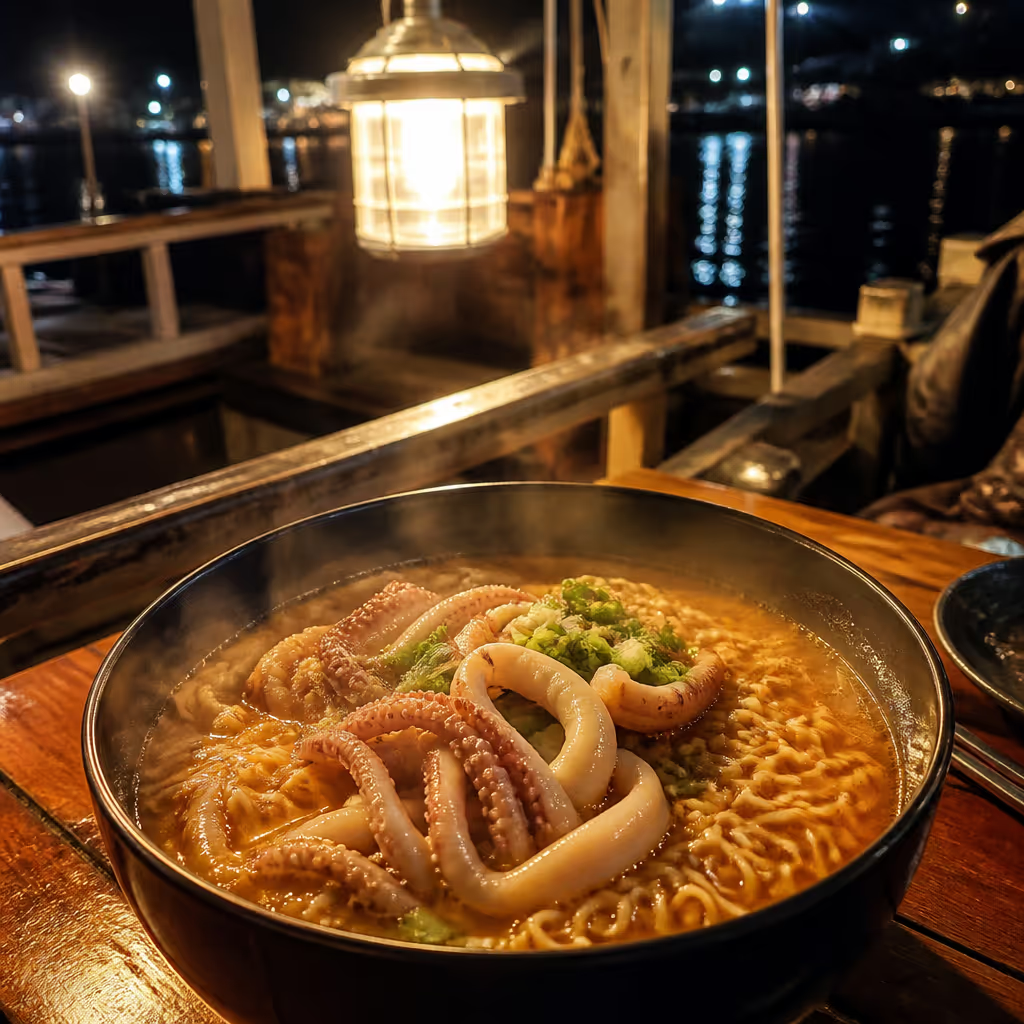
Right after midnight, one fisher per boat cleans a portion of the catch into sashimi on deck, and each passenger receives a small cup portion for tasting. Cleaned within 30 minutes of catch, the sashimi holds its firmest texture, and the mouthfeel and natural sweetness read distinctly different from restaurant squid in inland cities. About 5 to 8 squid per boat go to sashimi, served with the fisher's own gochujang chili sauce in a small individual bowl.
Within an hour after the sashimi, squid ramen (Korean instant noodles cooked with squid) follows. The fisher adds the squid legs and thin-cut mantle to the ramen broth in the old fisher's night-cooking pattern, with 4 to 5 servings prepared per boat at once. The spicy ramen broth and the sweetness of the squid combine into a cup only available on this coast during the six-week season. Fried squid is difficult to cook on deck, so it appears at a KRW 8,000 (about USD 5.90) portion at the food truck at the harbor office right after landing, a natural dawn cup after arrival.
Safety, Reservation, and the Post-Landing Drive to Galchibada
The fee runs KRW 65,000 (about USD 48) per person, including the rod-and-jig set, self-inflating life jacket, on-deck sashimi, and squid ramen. Of the catch, sashimi tasting accounts for one portion; the rest (roughly 3 to 5 squid per person) is available to take home. Ice boxes rent at the harbor office for KRW 5,000 (about USD 3.70) each. Advance reservation runs through each of the four harbors' fishing cooperatives (eochonkye) or through the seasonal booking system at the Visit Jeju official page. Because each boat holds only 12 to 15 passengers, the last weekend of July fills a week ahead. Ages 8 and up may participate with a guardian.
After the 3:00 a.m. landing, the drive to Galchibada in Aewol runs by harbor: Dodu about 25 minutes, Iho about 22 minutes, Hahyo about 70 minutes (via the 5.16 Road), Gosan about 35 minutes. Pre-dawn roads run clear, and the pale purple of the Hallasan foothills shifts into the first eastern light along the drive. Arriving about 4:00 a.m., the western sea reopens behind the full-height window, and the taste of one squid lifted on deck folds into the next-day lunch plate as a different register.
For another July fishing register, pair the Iho Tewoo anchovy fishing festival → and the Sagye summer fishing village experience → into the same week. Anchovy, haenyeo, and squid make three registers of fishing folded into one summer trip, and the last piece sits as the longest and most nocturnal single register. Real-time harbor-area public transport updates at the Jeju Bus Information System, but no public transport runs after the 3:00 a.m. landing, so a private car or a one-night stay near one harbor is the recommended plan.
The 7.5 hours on a working boat run in a clearly different register than any standard tour experience. Between the warm lantern light and the first eastern dawn, the weight of a single squid landing in the hand and the sweetness of one sashimi bite settle in sequence on one deck. One weekend of late July closes in one fisher's hand and one squid's texture, an uncommon 7.5-hour register that finishes the last page of a Jeju summer plan quietly.
Frequently Asked Questions
- When does the Jeju Summer Night Squid Fishing Festa run?
- From around July 20 to the end of August each year for about six weeks. In 2026 the season runs July 25 through August 31 (38 days). All four harbors (Dodu, Iho, Hahyo, Gosan) run simultaneously, with 7:30 p.m. departures and 3:00 a.m. landings.
- What does the fee include?
- The fee runs KRW 65,000 (about USD 48) per person, including a rod-and-jig set, self-inflating life jacket, on-deck sashimi tasting, and one cup of squid ramen. The catch (about 3 to 5 squid per person after sashimi) may be taken home. Ice boxes rent at the harbor office for KRW 5,000 (about USD 3.70).
- How is the fishing gear configured?
- Each set includes a 2.4-meter (8-foot) carbon squid rod, two egi jigs (artificial lures shaped like small shrimp), and one traditional straight-line squid puller. Jigs come in pink, green, and yellow, and rotating them across the night matches the changing sensory response of the squid at each hour.
- What is the 7.5-hour on-board schedule?
- 7:30 p.m. departure with 12 lanterns lit → 8:00 p.m. active jigging begins → 10:00 p.m. to midnight peak concentration → right after midnight on-deck sashimi → around 1:00 a.m. squid ramen → 2:00 to 3:00 a.m. final jigging → 3:00 a.m. landing.
- How do I reserve, and what is the minimum age?
- Reservation runs through each of the four harbors' fishing cooperatives or the seasonal booking system at Visit Jeju. Each boat holds 12 to 15 passengers, and the last weekend of July fills a week ahead. Ages 8 and up may participate with a guardian.
- How long is the drive to Galchibada in Aewol from each harbor?
- Dodu about 25 minutes, Iho about 22 minutes, Gosan about 35 minutes, Hahyo about 70 minutes. No public transport runs after the 3:00 a.m. landing, so a private car or a one-night stay near one harbor is the recommended plan.
From a lantern-lit working boat to a full-height window 25 minutes west
After a 7.5-hour squid night, a next-day lunch behind the glass
Carry the sweetness of one squid lifted on deck and the warm light of 12 lanterns westward on the pre-dawn road for 25 minutes. As the first eastern light reaches the Hallasan foothills, the full-height window in Aewol reframes the sea in the noon register of the next day, and one night at sea folds into one bowl of stew at lunch.
About 25 minutes from Dodu Harbor to Galchibada in Aewol →