Hueree Lavender Season, A Provence Purple Garden on Jeju Volcanic Soil in July
Where Four Mediterranean Cultivars Take Over the Same Park After the Hydrangeas Fade
Hueree Natural Life Park at 256 Sillyedong-ro, Namwon-eup, Seogwipo runs its lavender season from late June through late July. Four cultivars — Provence, Hidcote, Munstead, and Grosso — share roughly 3,000 pyeong (9,900 m²) of volcanic-soil beds, with the mid-July window as the fragrance and colour peak. Hours are 09:00 to 18:00 (last ticket 17:30); admission is KRW 13,000 for adults (about USD 9.60), KRW 11,000 for teens, KRW 10,000 for children, with a 30% discount running through July 26. A KRW 7,000 sachet workshop and season-only lavender ade plus lavender ice cream round out the visit. Galchibada in Aewol sits about 50 minutes north by car.
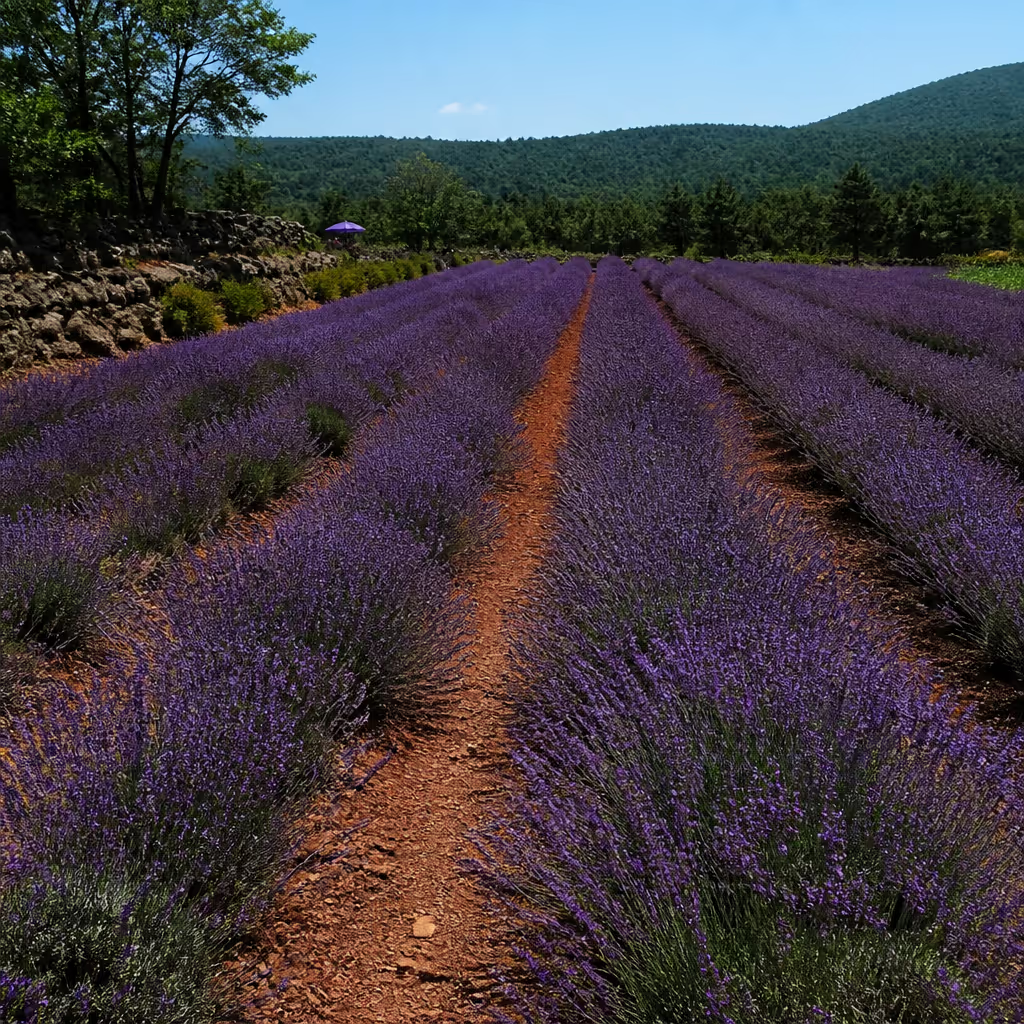
In the first week of July, as Jeju's hydrangea colour begins to soften, a single corner of the same Hueree grounds turns quietly purple. Four Mediterranean cultivars share roughly 3,000 pyeong (9,900 m² or 2.4 acres) of ridged beds, and the transition from one flower to the next happens without leaving the park, along a walking route that runs a single continuous loop. Galchibada in Aewol is about 50 minutes north on Route 1135 (Pyeonghwa-ro) and Route 1132 (Iljuseo-ro), and pairing an afternoon in the beds with an evening at a floor-to-ceiling window over the sea makes for the tidiest Jeju summer day I can think of. For visitors used to Sequim in Washington State or Bridestowe in Tasmania, the effect here is smaller in scale but unusually concentrated, with the added twist of Korean volcanic geology under every root.
After the Hydrangeas, a Purple Garden Takes Over
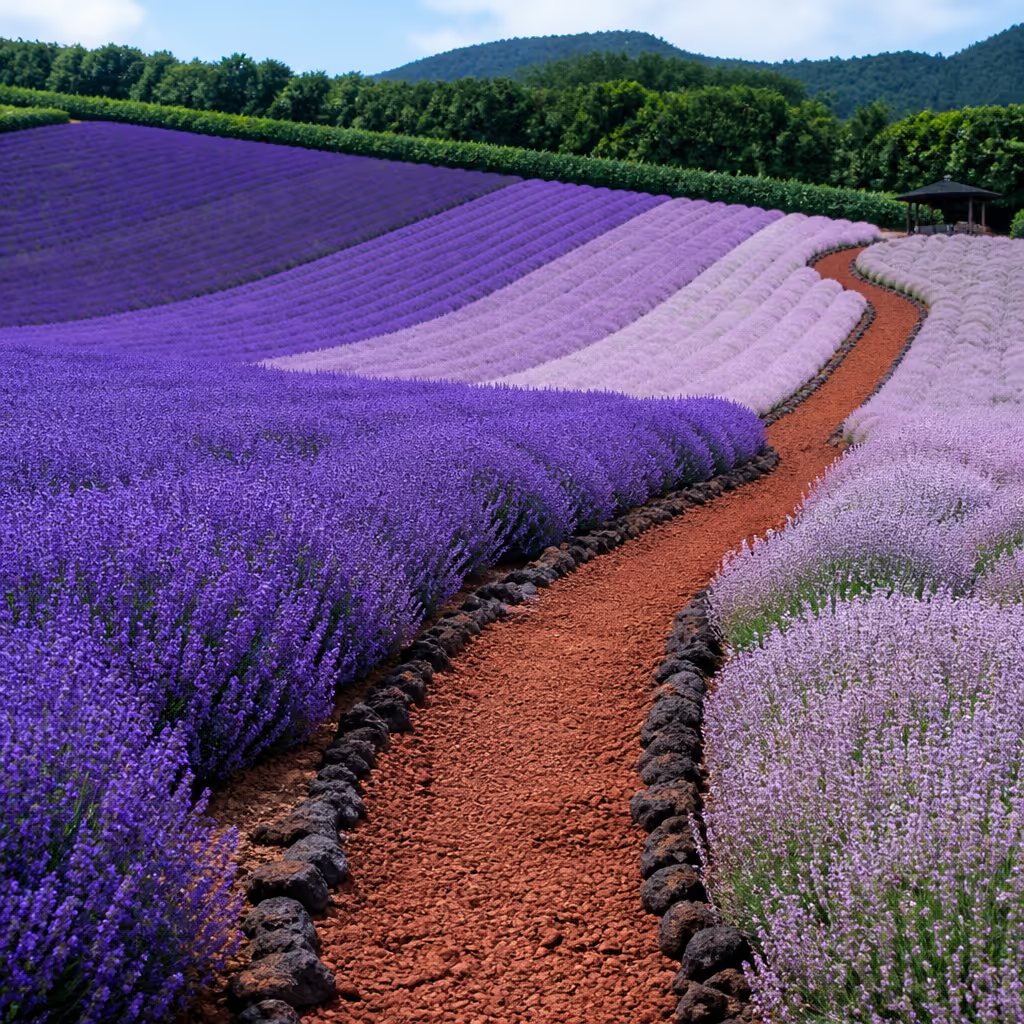
The lavender bed sits at the south-eastern edge of the main garden. As the hydrangea season loses its edge around late June, the walking loop leads visitors straight into the purple beds without ever leaving the park, and the visual handover reads almost cinematic. The area is about one sixth the size of the hydrangea grounds, roughly 3,000 pyeong (9,900 m²), but because each cultivar occupies a full row rather than spilling into mixed beds, the eye reads the purple as a single decisive canvas rather than a mottled patchwork. British and American gardeners who have wandered Norfolk Lavender or Cherry Point Farm will recognise the geometry immediately.
The register is different from hydrangeas in a specific way. If a hydrangea head holds several shades in one bloom, this plant flattens the palette so a single row carries one tone with almost surgical restraint. Step into the garden and your sense of smell reacts before your eyes catch up. Brushing a stem gently releases volatile oils from the leaves and the stem itself, and a short walk of ten minutes leaves the fabric of your shirt carrying trace fragrance for hours afterward. Visitors curious about seeing the same park under a different season should also look at the Hueree Hydrangea Festival → coverage for the June peak, which anchors the other bookend of Hueree's spring-to-summer arc.
Volcanic Soil and Four Mediterranean Cultivars
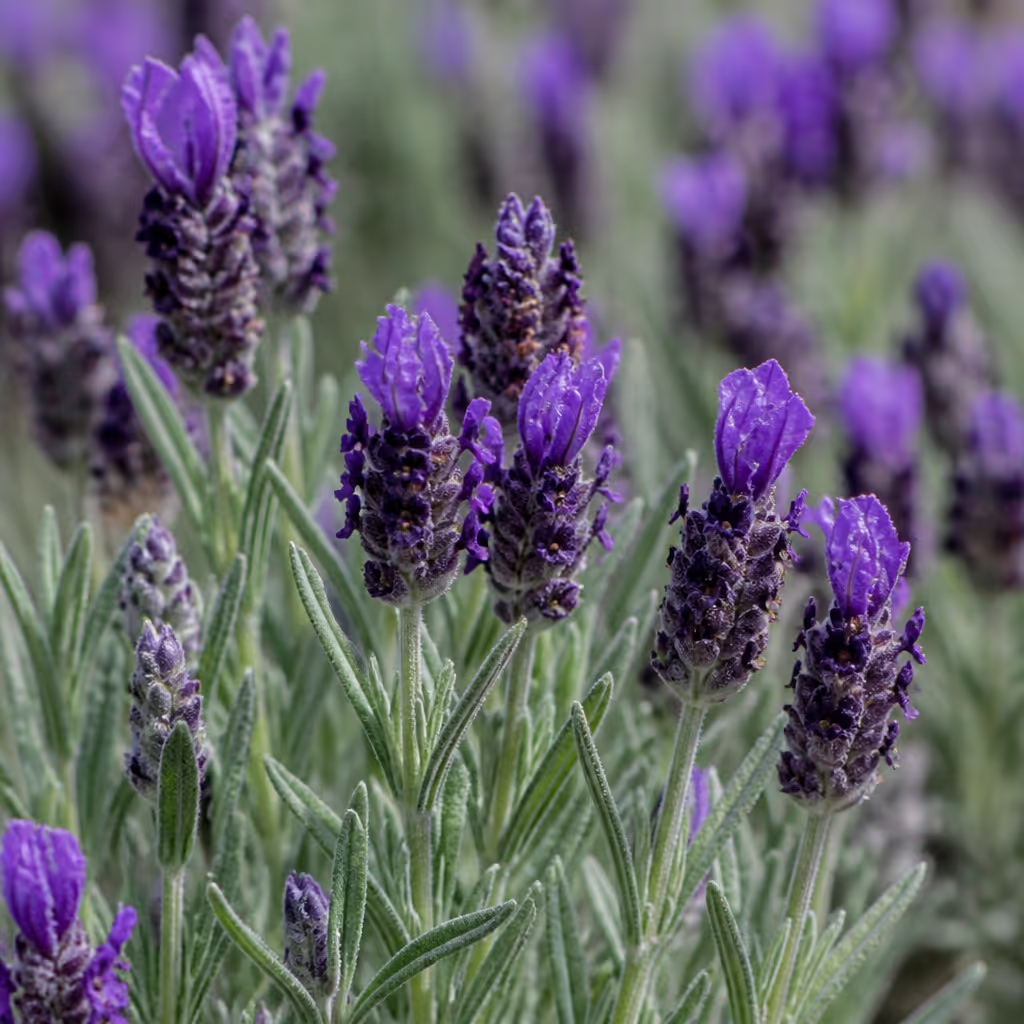
The beds are built on a double-layer soil profile, with red volcanic scoria at the base and loam layered on top. Lavender in the wild grows on the thin calcareous soils of the Mediterranean coast, favouring sharp drainage and mineral-rich substrate, and the porous scoria used here mimics that combination almost perfectly. Water drains between the particles in seconds while micro-pores hold enough air to keep the root zone breathing. The same volcanic material that pulls blue tones into Jeju hydrangeas through soil acidity gives the lavender the drainage and aeration it needs, and the two flowers thrive side by side because of the shared geology under them.
Four cultivars share the beds. Provence occupies the largest area, growing up to 70 centimetres (about 28 inches) tall and carrying the deepest purple spikes. Hidcote runs shorter and darker, tightening the border lines around the edges of the beds. Munstead sits in the middle tone, filling the gradient with a lighter lavender. Grosso, with the longest stems, holds the inner core of the garden and carries the strongest oil fragrance of the four. The general soil-and-care principles are consolidated on the Royal Horticultural Society lavender guide.
When Fragrance and Light Peak, Plus Photography Notes
The light here reads deeper at either end of the day than at midday. The first hour after the 09:00 opening still holds dew on the leaves, spike colour deepens by a stop, and soft eastern side-light pulls out the dimensionality of each stem. Later in the afternoon, the register softens again from 16:30 onward, with the golden hour window sitting roughly 90 minutes before sunset. In the first week of July sunset falls around 19:40; by the last week it slides to about 19:25. Precise times by date and coordinates are published by the Korea Astronomy and Space Science Institute.
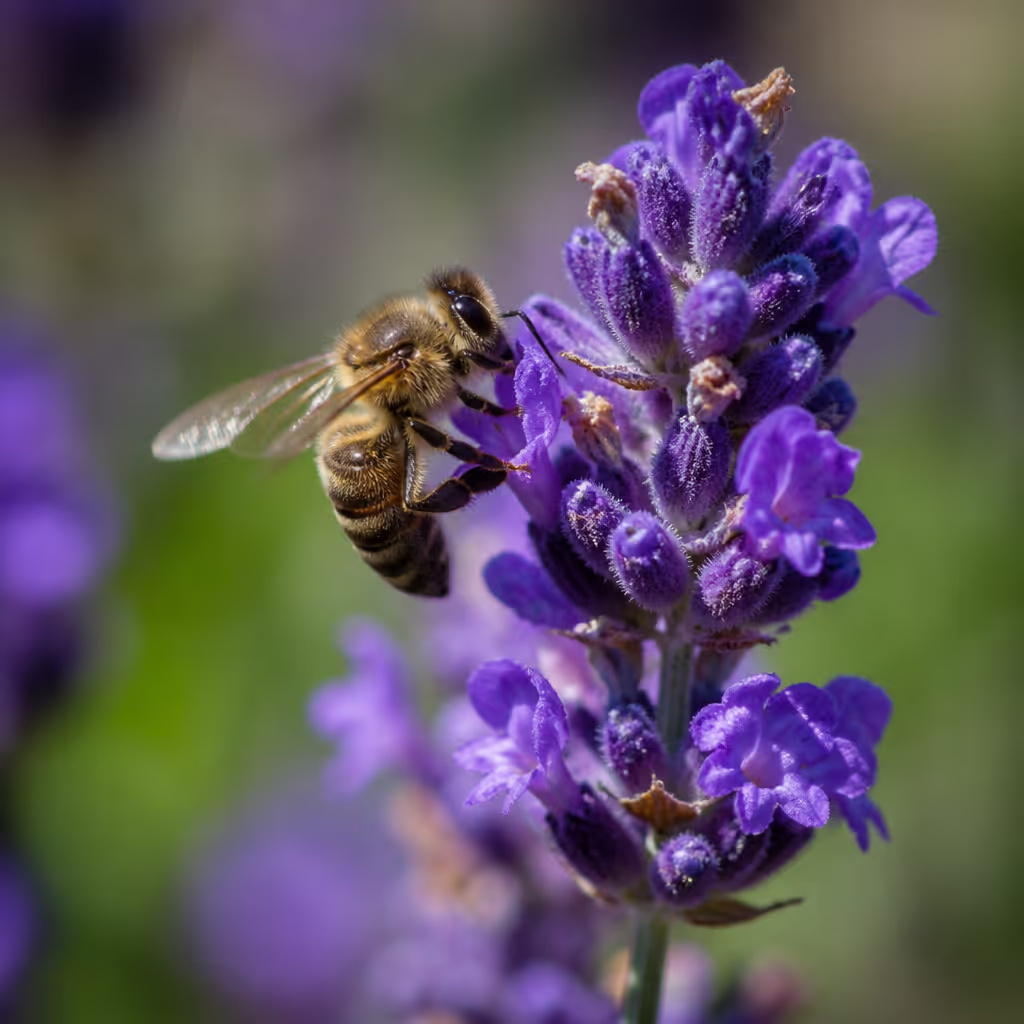
Fragrance actually peaks in the harshest light window, between 12:00 and 14:00. The oil glands on the leaf surface volatilise faster above a certain temperature, so the strongest scent lands in exactly the hours photographers usually avoid. Splitting a visit into two passes, one for smell in the midday heat and one for light in the late afternoon, is the most efficient way to read the garden fully. Honeybees also concentrate in the midday hours, so a macro lens brought along for the fragrance walk usually captures a bee mid-visit within the first ten minutes.
Season-Limited Workshop and Cafe Menu
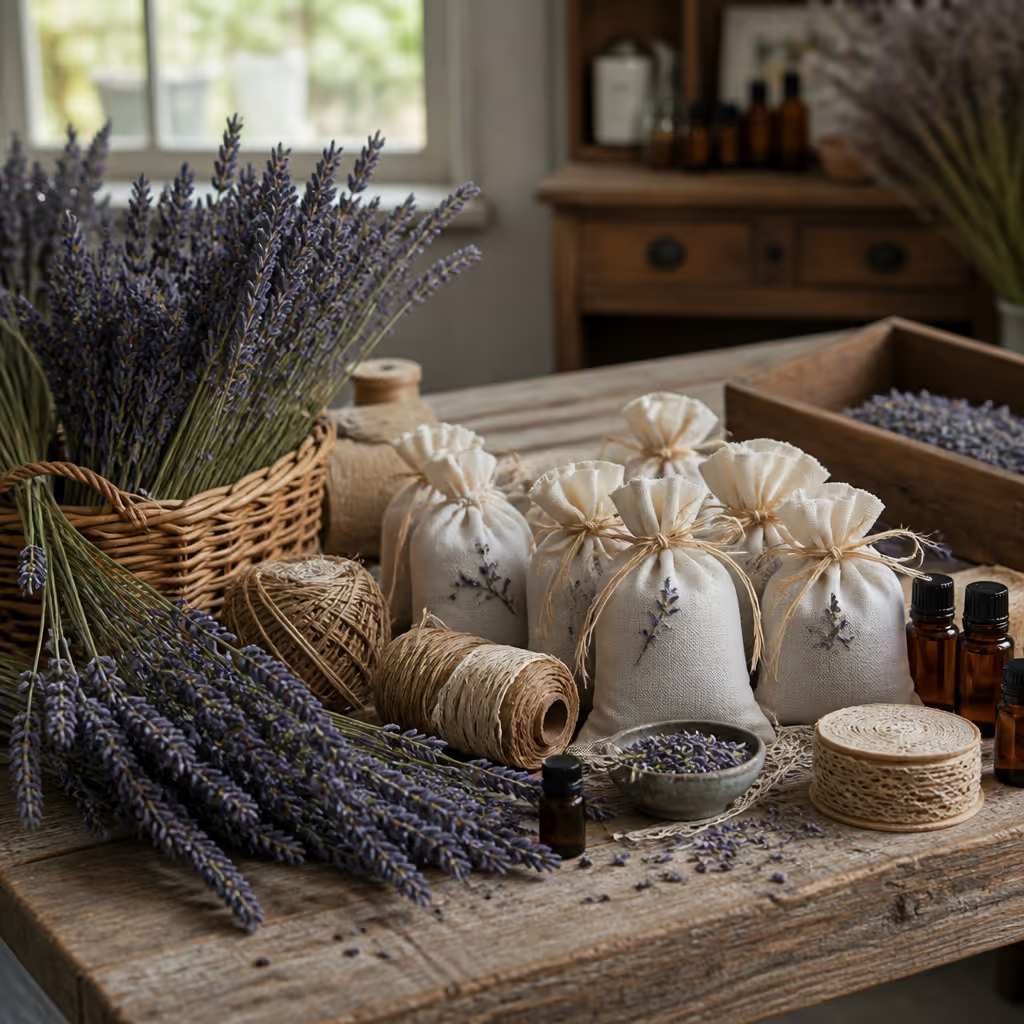
A season-limited sachet workshop runs in a quiet corner inside the grounds. Participants gather a small handful of dried spikes into a canvas pouch, tie it with raffia string, and leave with a portable fragrance sachet after roughly twenty minutes of work. The fee is KRW 7,000 per person (about USD 5.20) and same-day sign-ups happen at the information desk immediately to the right of the main entrance. On weekend afternoons the workshop slots fill quickly, so signing up right after morning entry is the safer play. Families with young children often use the workshop as a tactile introduction to the plant, and the pouch itself becomes a small souvenir that keeps its fragrance for months.
The cafe carries two season-only drinks. Lavender ade layers a purple lavender syrup with a spoonful of Hallabong citrus preserve, and the citrus acidity brings out the herbal edge cleanly. Lavender ice cream runs from the Hueree in-house line only during the season and comes topped with edible flower petals for the visual finish. Outdoor terrace seating faces the garden at an angle, so the afternoon settles nicely with a drink in hand while the fragrance drifts across the tables.
From the Fragrance Garden to Galchibada in Aewol
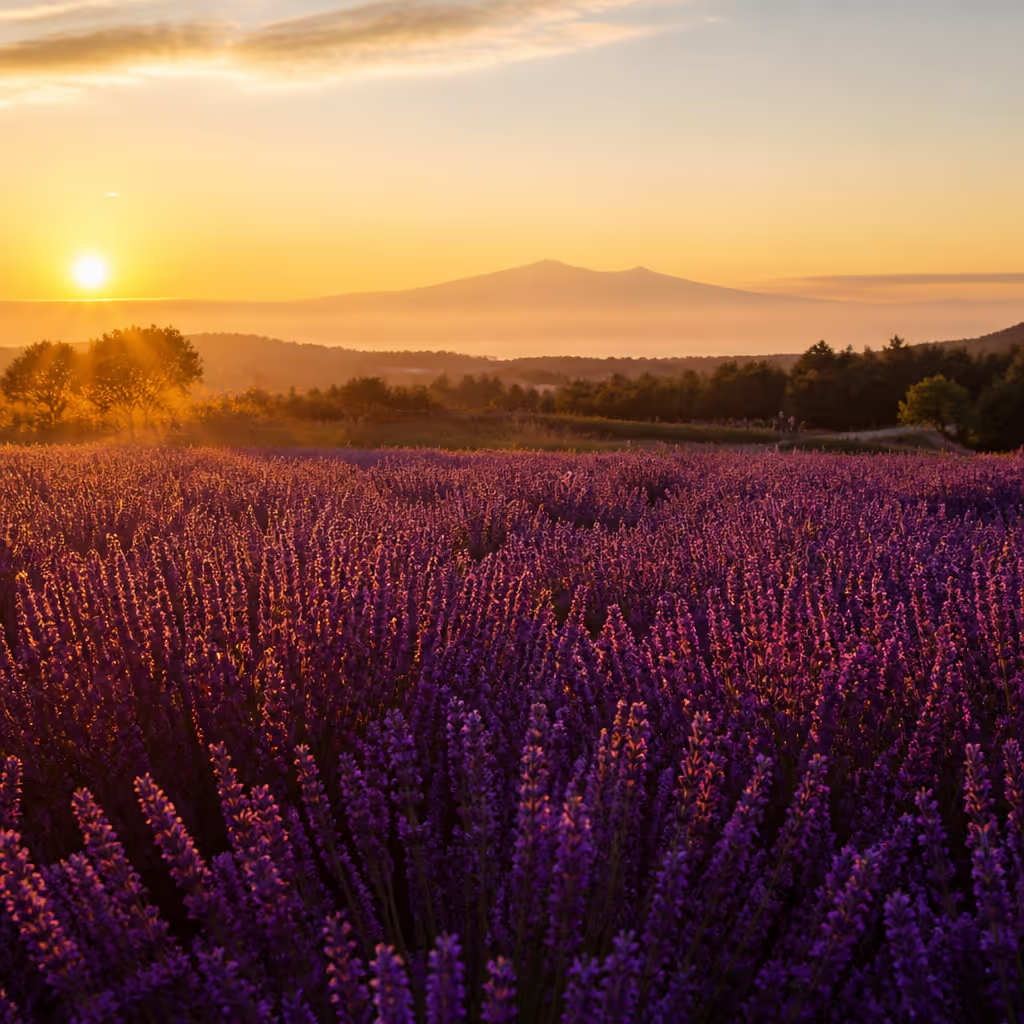
The natural next stop after Hueree runs north-west. Route 1135 (Pyeonghwa-ro) and Route 1132 (Iljuseo-ro) put Galchibada in Aewol about 50 minutes away, and leaving roughly an hour before sunset lines up the drive with the moment the light shifts across the Hallasan ridge. The residual fragrance in fabric carries the garden out to the western coast, and the transition from bed to table becomes the softest join in the whole day.
Hueree sits at 256 Sillyedong-ro, Namwon-eup, Seogwipo-si. From Jeju International Airport, the drive runs about an hour; from downtown Seogwipo, about 30 minutes. Hours are 09:00 to 18:00 daily, last ticket 17:30. Admission is KRW 13,000 for adults (about USD 9.60), KRW 11,000 for teens, and KRW 10,000 for children. A 30% discount on the standard tariff runs through July 26, with Naver booking adding a further discount on top. By public transit, intercity bus 220 or 281 from Jeju Intercity Bus Terminal stops at Sillye-ri, with a 10-minute walk to the entrance. Real-time schedules are available at the Jeju Bus Information System, and current festival updates sit on Visit Jeju in English. For a different Hueree register in another season, the Camellia Hill winter garden → sits on the other end of the year in the same western bracket.
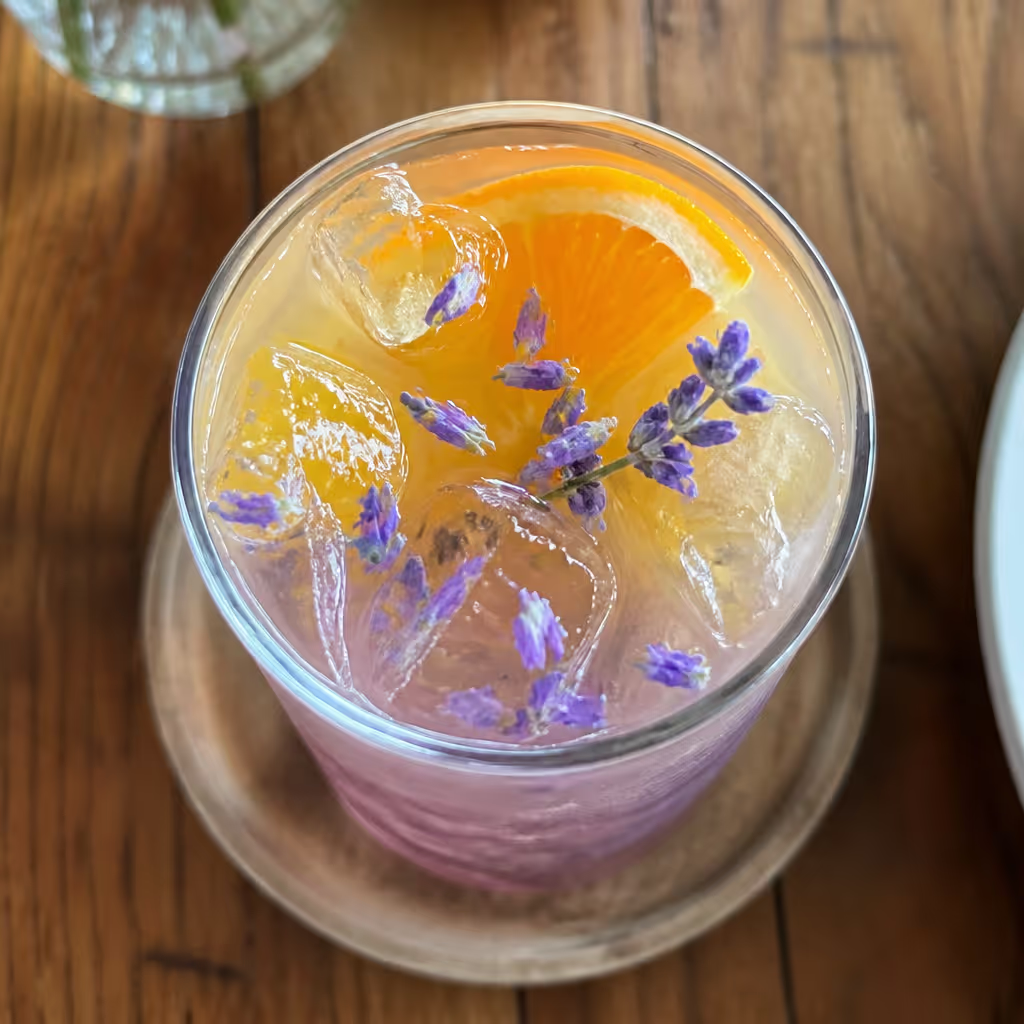
A final glass of lavender ade on the terrace closes the visit before the drive begins, and the trace fragrance holds through the full 50 minutes on the road. When the sea reopens beyond the floor-to-ceiling glass at Galchibada in Aewol, the residual purple in memory meets the first bite at the table, and the three registers of the day (fragrance, light, flavour) fall neatly into sequence.
Frequently Asked Questions
- When does the Hueree lavender season run?
- Late June through late July, with roughly a one-month window each year and mid-July as the fragrance and colour peak. Hours are 09:00 to 18:00 daily, last ticket at 17:30.
- What are the admission fees and current discounts?
- Adult admission is KRW 13,000 (about USD 9.60), teens KRW 11,000, children KRW 10,000. A 30% discount on the standard tariff runs through July 26 in 2026, and Naver online booking adds an additional discount on top.
- How does the lavender sachet workshop work?
- Sign up on the day at the information desk to the right of the main entrance. The fee is KRW 7,000 per person (about USD 5.20) and the workshop runs about 20 minutes. Weekend afternoon slots fill fast, so signing up right after morning entry is safer.
- What are the best times of day for fragrance versus photography?
- Fragrance peaks between 12:00 and 14:00 when the leaf oil volatilises fastest. Photography-friendly light lands 09:00 to 10:00 and again after 16:30. Splitting the visit into two passes lets you read the garden fully across both registers.
- How do I reach Hueree by public transit?
- Intercity bus 220 or 281 from Jeju Intercity Bus Terminal stops at Sillye-ri, followed by a 10-minute walk to the entrance. Real-time schedules are on the Jeju Bus Information System.
- How long is the drive from Hueree to Galchibada Aewol?
- Route 1135 (Pyeonghwa-ro) and Route 1132 (Iljuseo-ro) put Galchibada Aewol about 50 minutes north. Leaving about an hour before sunset lines up the drive with the golden hour along the Hallasan ridge.
Carrying the purple garden fragrance, a 50-minute drive to the evening table
From a Provence-style lavender bed to a hairtail table over the western sea
Carry the trace lavender fragrance out on your shirt fabric and drive west for 50 minutes. When the sea reopens beyond the floor-to-ceiling glass, the residual purple in memory meets the first bite at the table, and the fragrance you brought from the beds settles into the flavour on the plate as a single continuous line.
About 50 minutes from Hueree to Galchibada in Aewol →